Best Time to Visit Iceland for Whale Watching
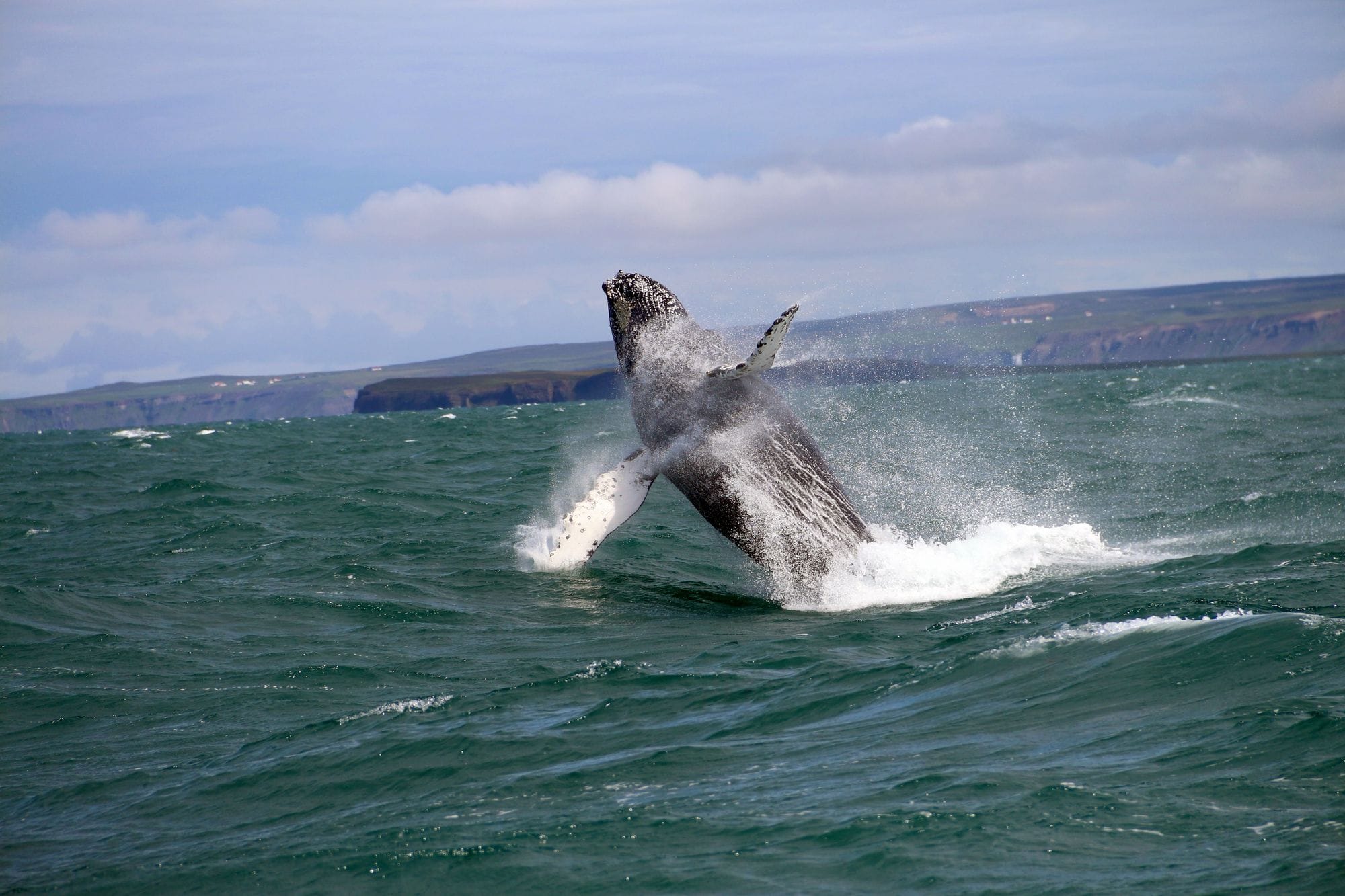
Discover Iceland’s giants of the sea.
Our Friends in the Sea
Iceland is one of the best places in the world to see whales, incredible, powerful creatures that move through our waters with grace and presence. More than 20 species visit our coastline each year, from playful minke whales to the enormous blue whale.
But when is the best time to visit Iceland for whale watching?
Here’s everything you need to know, with local insight you can trust.
If you’re already planning your trip, you can explore hotels across Iceland’s whale-watching regions here:
Find Hotels Across Iceland
Peak Whale Watching Season: April to October
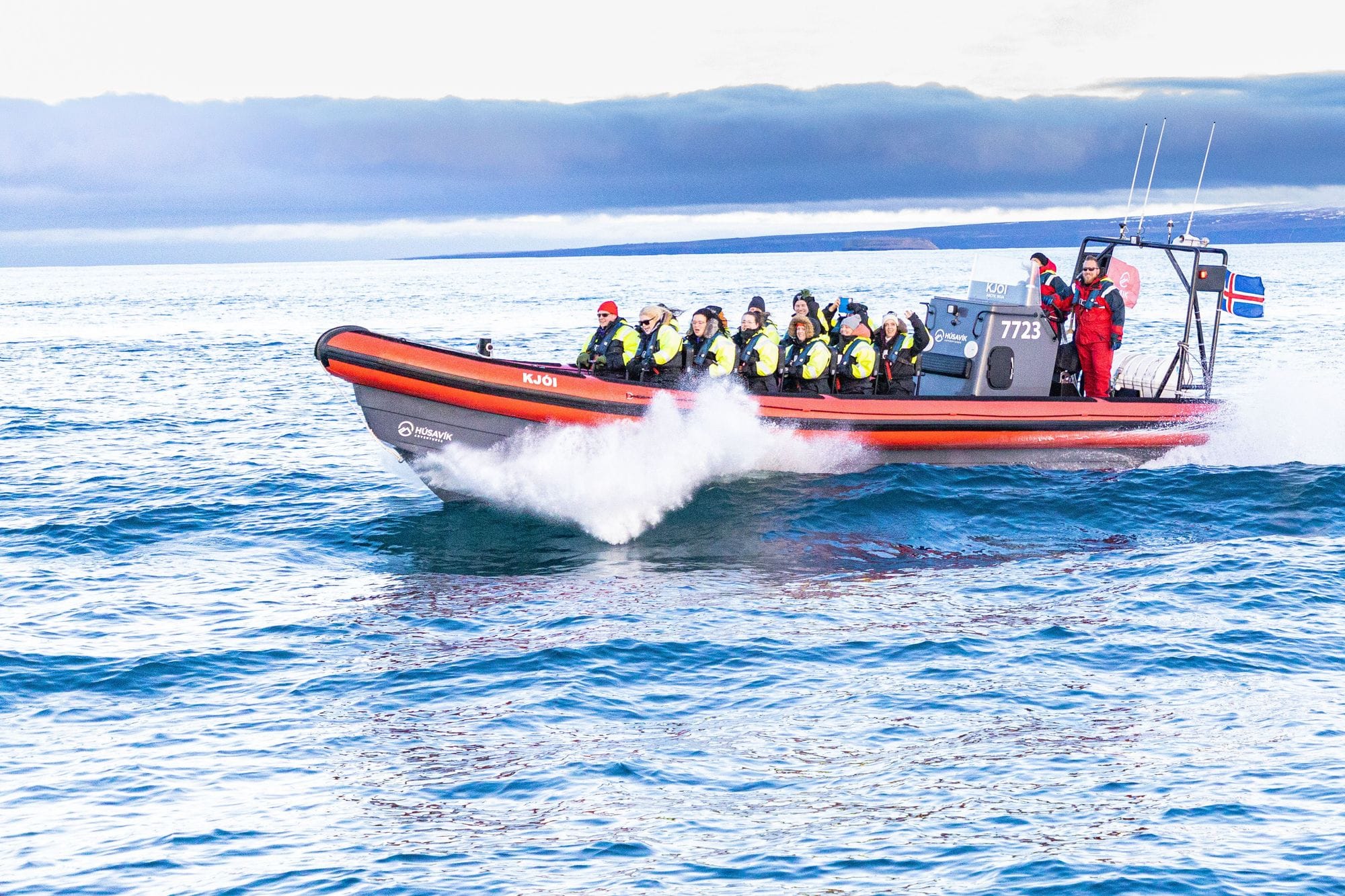
The very best time to see whales in Iceland is April through October, when the seas come alive with feeding activity and migratory species return to our shores.
Why this season is ideal:
- Calmer seas and easier sailing conditions
- Larger number of species
- Long daylight hours
- High success rates for sightings
- Whale watching tours operate daily from multiple harbors
Some areas, especially Húsavík, often called the “Whale Watching Capital of Europe” — see remarkably high sighting percentages during these months.
Find places to stay near Iceland’s top whale-watching harbors:
North Iceland Hotels
West Iceland Hotels
Best Months by Species
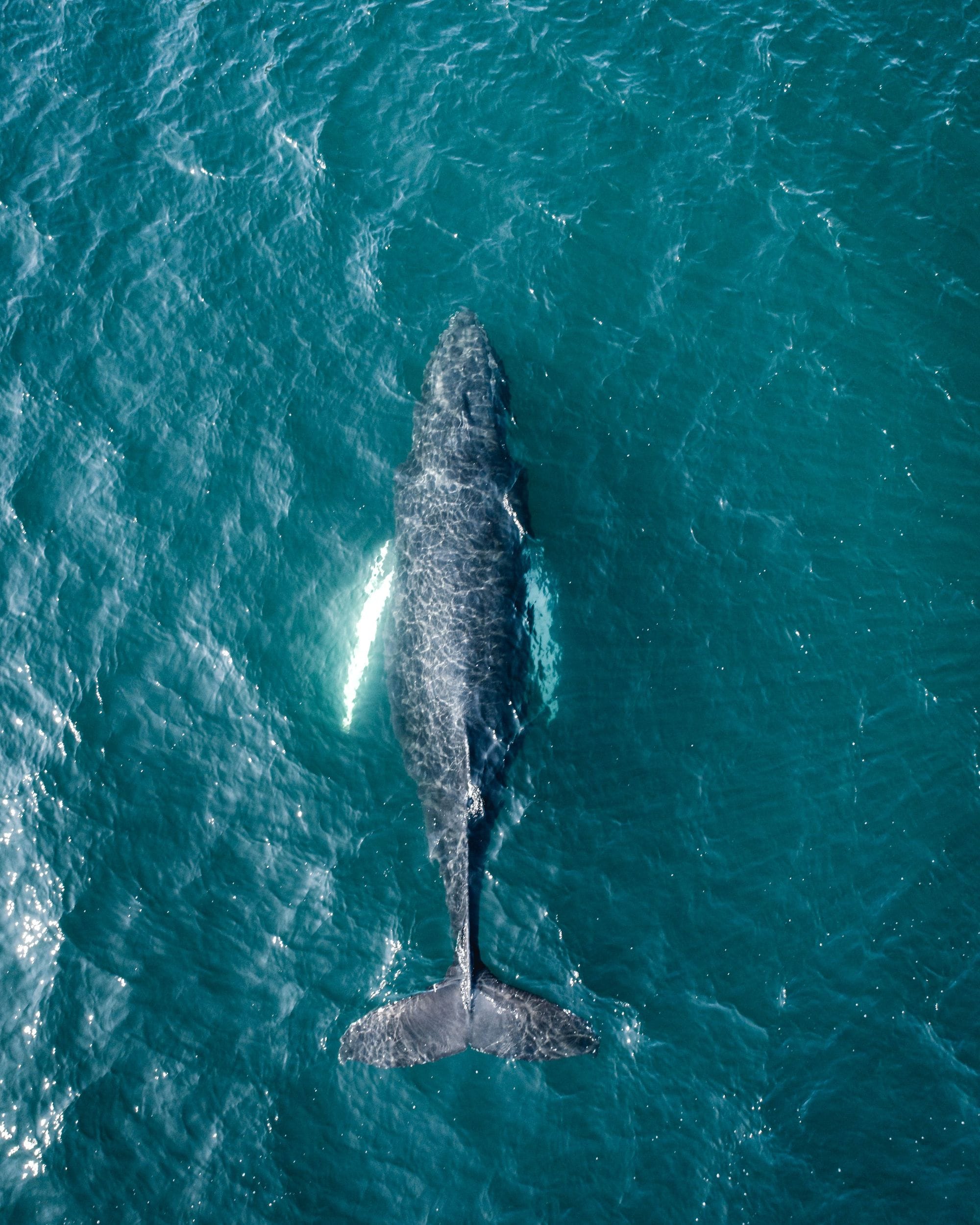
Each season highlights different whales. Here’s what to expect:
April–May
Early migratory arrivals — perfect for spotting:
June–August (Peak Activity)
Summer brings:
- Massive feeding grounds
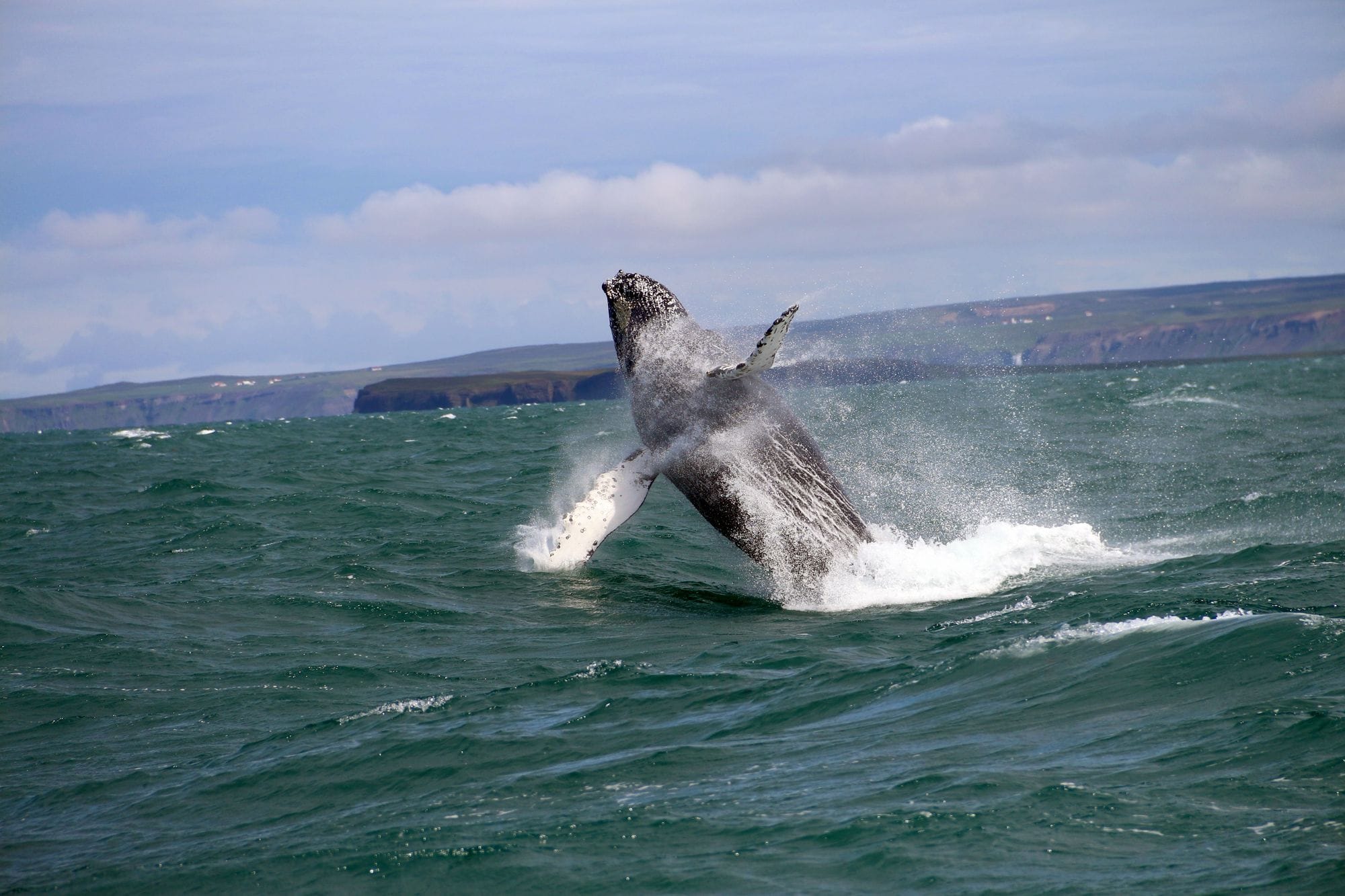
- Breaching humpbacks
- Dolphins and porpoises
- Occasional blue whales in the north
This is the most reliable season for first-time whale watchers.
September–October
Still excellent viewing — fewer crowds, calmer atmosphere.
Humpback whales linger late into the autumn in northern Iceland.
Winter Whale Watching (November–March)
Fewer species, but still truly special.
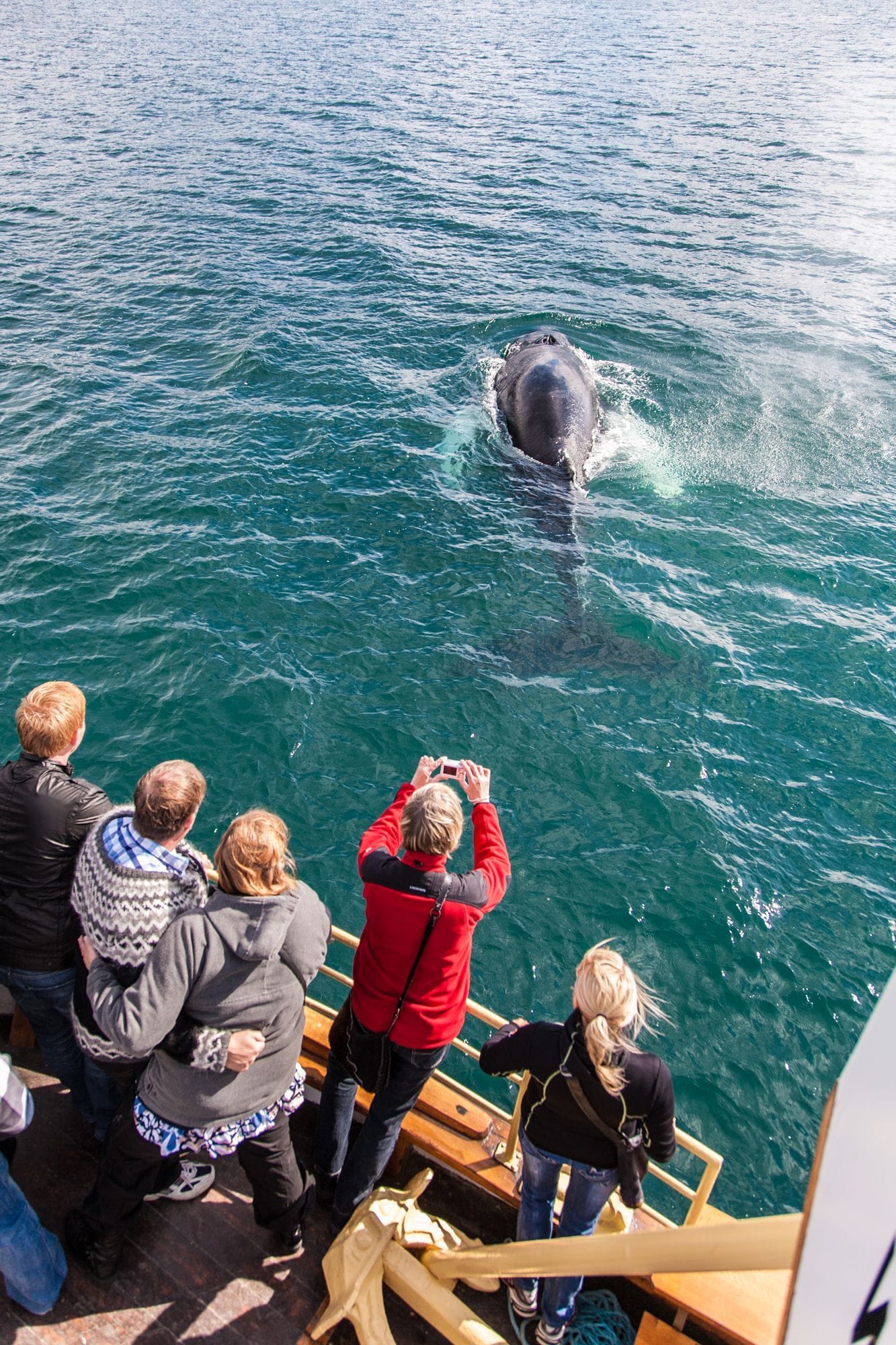
While summer is the best season, winter whale watching is absolutely possible, especially from Reykjavík and Snæfellsnes.
You may see:
- Orcas (commonly near Snæfellsnes in winter)
- Humpbacks (smaller numbers)
- Porpoises
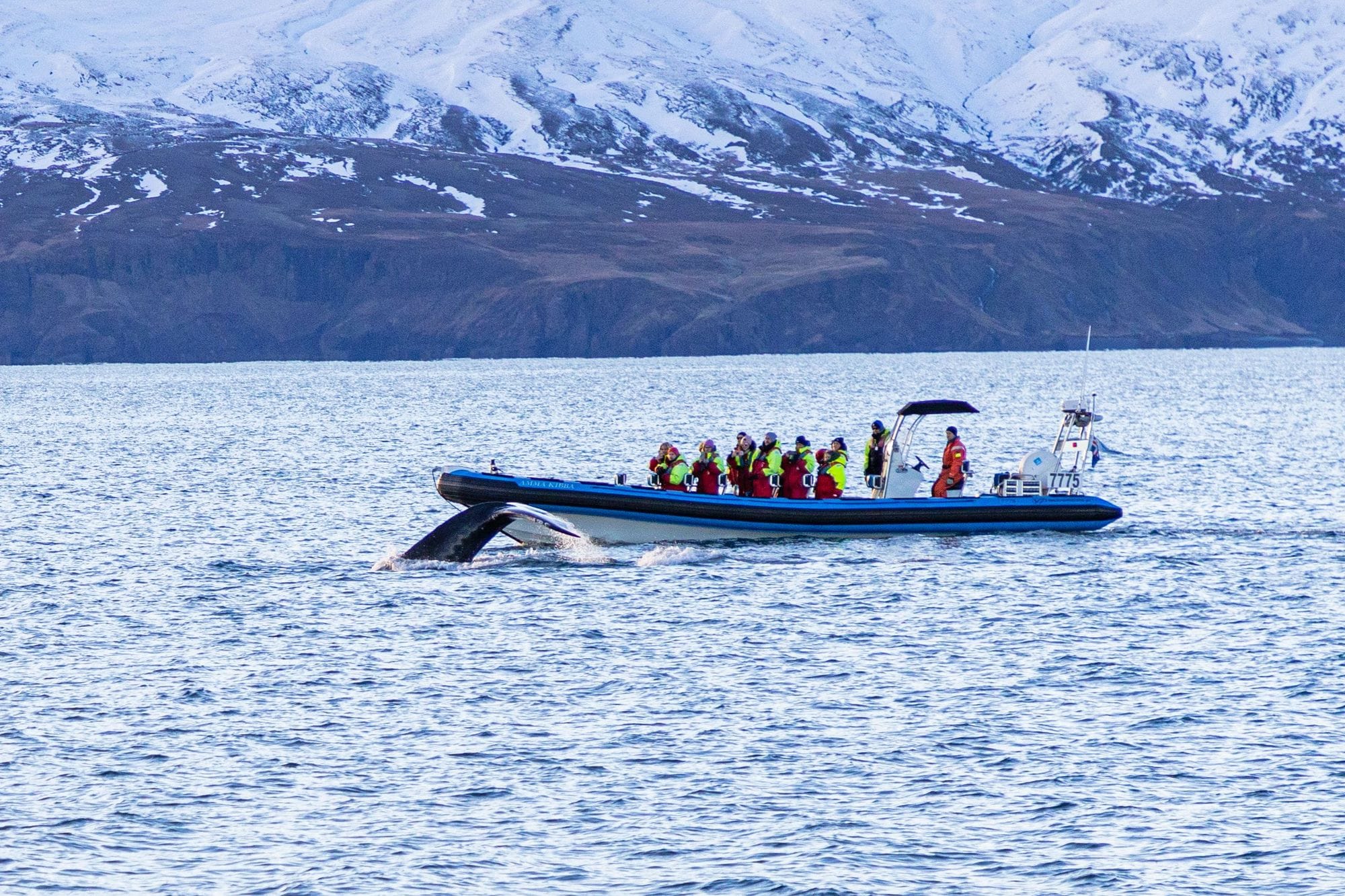
Winter tours offer a dramatic experience: snow-covered mountains rising over deep fjords, with whales feeding below.
Explore stays near winter viewing hotspots:
West Iceland
Best Places in Iceland for Whale Watching
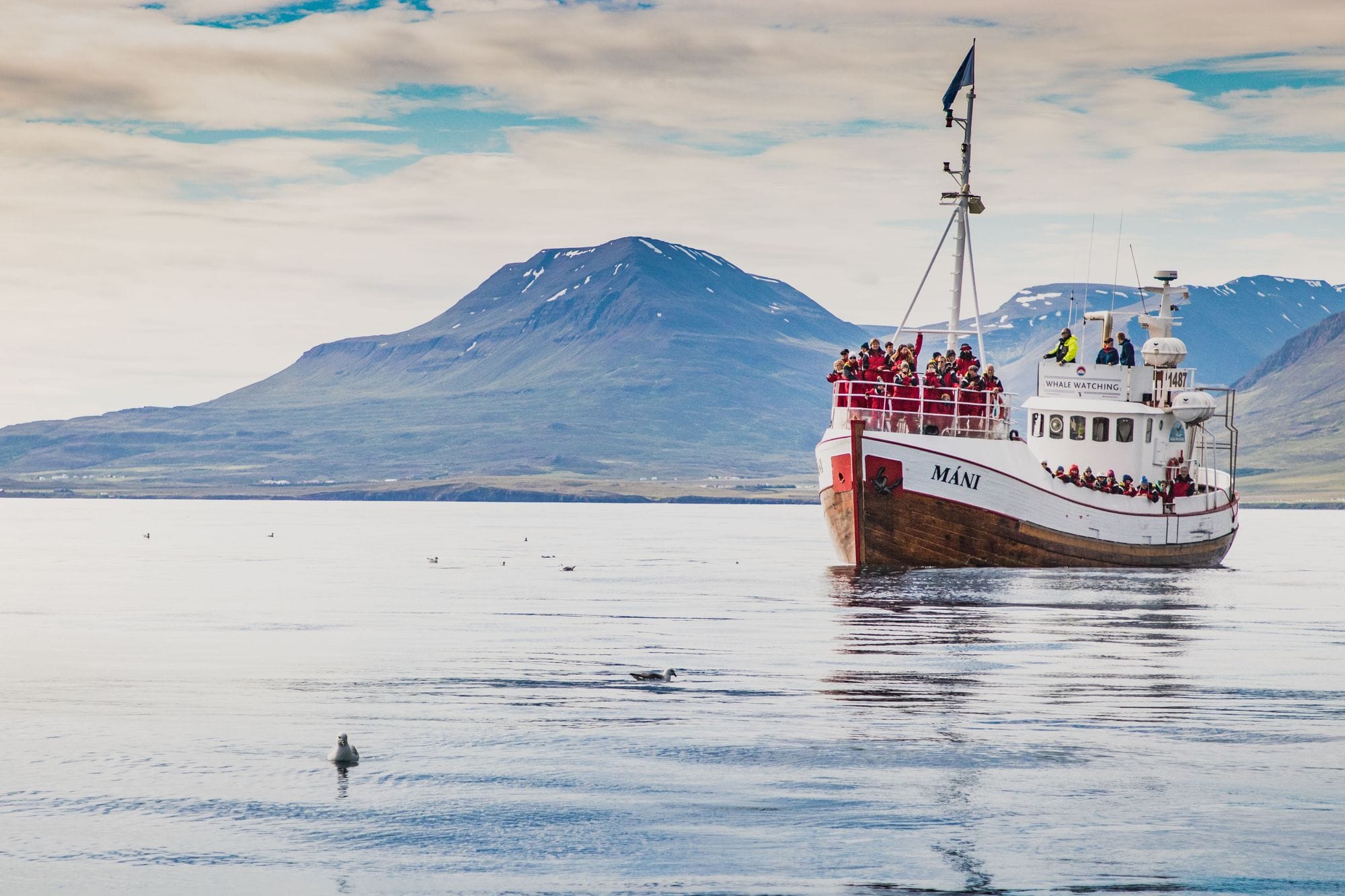
Húsavík
North Iceland — famous for its whale-watching culture and exceptional sighting success.
Ideal for humpbacks, minkes, and blue whales.
Easy access for travelers staying in the capital.
Tours depart daily from the old harbor.
A deep fjord with calm waters — ideal for family-friendly tours.
One of the best locations for orca sightings, especially in winter.
Find accommodation options across these regions:
Search Hotels in Iceland
Best Time of Day for Whale Watching
Whales may appear at any time, but mornings and early afternoons tend to offer:
- Calmer seas
- Better visibility
- More predictable feeding behavior
During summer, evening tours under the midnight sun can be breathtaking.
-1-2000x1333.jpg&w=2048&q=80)
What to Expect on a Whale Watching Tour
- 2–3 hour sailings (depending on harbor)
- Warm overalls provided
- Knowledgeable guides
- Hot chocolate on some tours
- Gentle encounters with whales in natural habitat
If you're sensitive to motion, choose larger boats or departures from calmer fjords like Akureyri or Húsavík.
Plan Your Whale Watching Adventure
Whether you come for summer’s vibrant seas or winter’s dramatic fjords, Iceland offers unforgettable encounters with whales in their natural environment.
Plan your journey and find stays near Iceland’s best whale-watching regions:
Find Your Perfect Stay
Thank you for reading this page. We hope it was informative, If not please let us know through [email protected]
Dark Music Days: Reykjavík’s Winter Sound & Innovation Festival
January 2026
Parking in Iceland: What’s Free, What’s Not, and What’s Changing
January 2026

Þorri
January 2026

Best Time to Drive the Ring Road in Iceland
January 2026
Free Experiences in Iceland: What To Do & Where to Find Inspiration
January 2026

ReyCup: Iceland’s International Football Festival
January 2026