Glaumbær – A Living Window Into Iceland’s Past
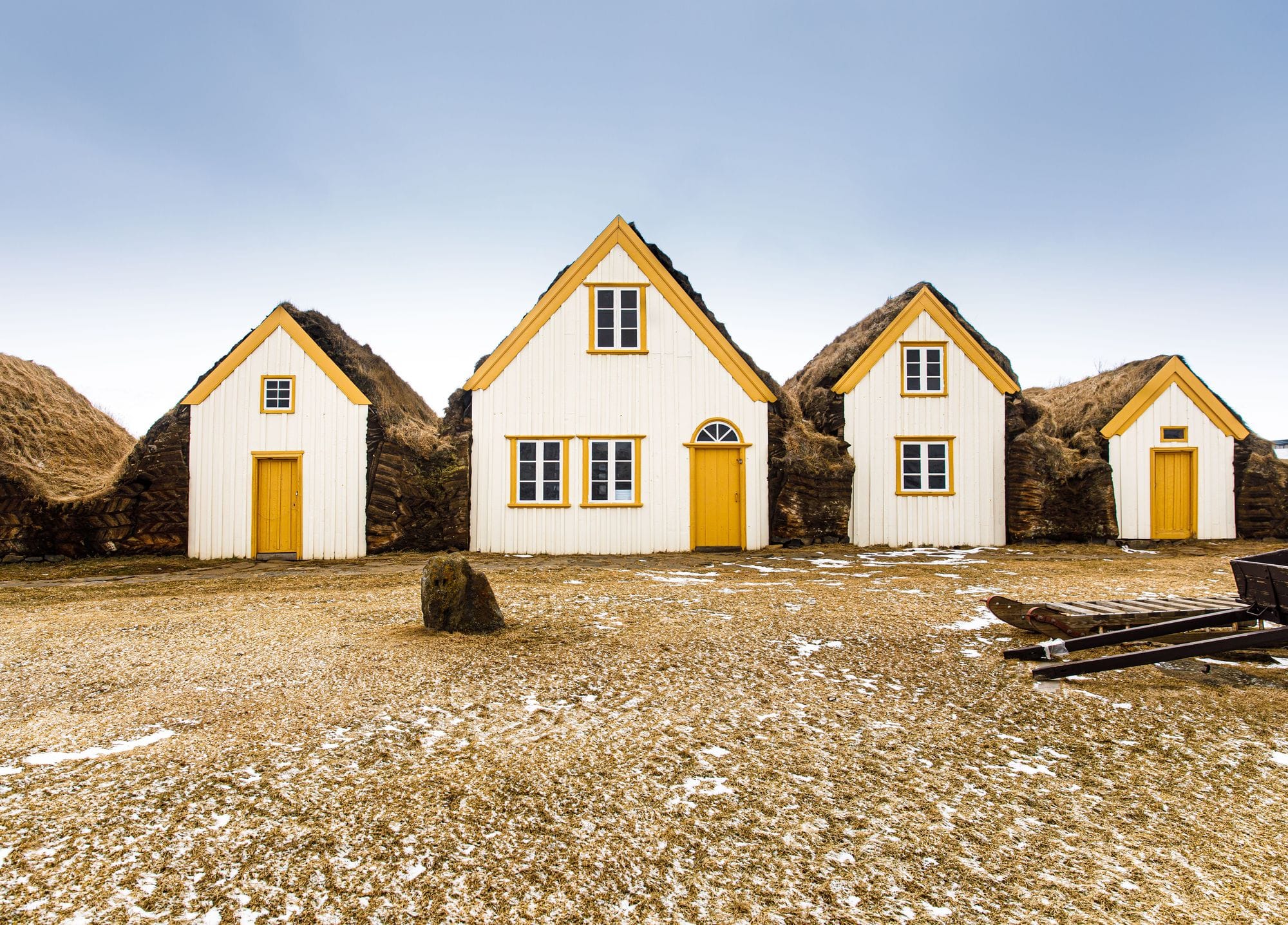
Photo credit: Visit North
In the heart of Skagafjörður, surrounded by sweeping valleys and quiet farmland, stands Glaumbær, one of Iceland’s most treasured heritage sites. More than just a museum, Glaumbær is a remarkably preserved turf farm dating back centuries.
Walking through its low doorways and grass-covered passages, visitors step directly into the daily life of Icelanders who lived here from the 18th to the early 20th century. Glaumbær is not a reconstruction. It is the real thing — a rare, intact example of the turf-house tradition that sustained Icelanders for nearly a thousand years.
A Farm Shaped by Nature and Necessity
For generations, Icelanders built their homes from what the land offered: turf, stone, driftwood, and earth. At Glaumbær, the interconnected cluster of buildings — living quarters, storerooms, kitchen, weaving rooms, and workshops — showcases the ingenious design that kept families warm and protected in a harsh northern climate.
The turf walls, sometimes over a meter thick, acted as natural insulation—narrow, dimly lit corridors linked each room, with sunlight entering only through small shuttered windows. Yet the farm was a thriving home: people cooked, churned butter, spun wool, repaired tools, preserved food for winter, raised children, and hosted travelers passing through Skagafjörður.
Each room tells a story, filled with authentic artifacts that belonged to the people who lived here.

Photo credit: Visit North

Photo credit: Visit North
Photo credit: Visit North
Photo credit: Visit North
Daily Life on the Icelandic Turf Farm
Inside Glaumbær, visitors can explore:
- The baðstofa – the communal living and sleeping space where an entire household worked, talked, sang, and slept side by side.
- The kitchen – still filled with traditional utensils, cast-iron pots, and preserved food tools.
- The weaving and spinning rooms, where wool from hardy North Iceland sheep became warm clothing and blankets.
- The storerooms – built to protect valuable food reserves through Iceland’s long winters.
- The hallways – dark, cozy tunnels insulated by thick layers of turf and packed earth.
Together, they paint a vivid picture of Icelandic resilience and community life long before electricity or modern heating.

Photo credit: Visit North

Photo credit: Visit North

Photo credit: Visit North

Photo credit: Visit North
Photo credit: Visit North
Photo credit: Visit North
Photo credit: Visit North
Photo credit: Visit North
Glaumbær and the Legacy of the Sagas
The Skagafjörður region is one of Iceland’s strongholds of history and storytelling, and Glaumbær sits at the center of a landscape rich with saga heritage. Not far away rises Tindastóll, the mountain referenced in local legends and home to many folktales.
Glaumbær itself is tied to well-known historical figures, including Snorri Þorfinnsson, believed to be the first European child born in North America, whose mother, Guðríður Þorbjarnardóttir, later lived on this land.
The Museum Today
Today, Glaumbær is managed as part of the Skagafjörður Heritage Museum, and visitors can explore both the turf farm and the charming 19th-century timber houses nearby, which were built after people moved out of the turf structures.
The museum also features:
- A traditional Icelandic church next to the farm
- A small gift shop with regional crafts and books
- Exhibits on rural Icelandic life and handicrafts
- Seasonal events and educational programs
It’s an ideal stop for families, culture lovers, photographers, and anyone exploring the North Icelandic countryside.

Photo credit: Visit North
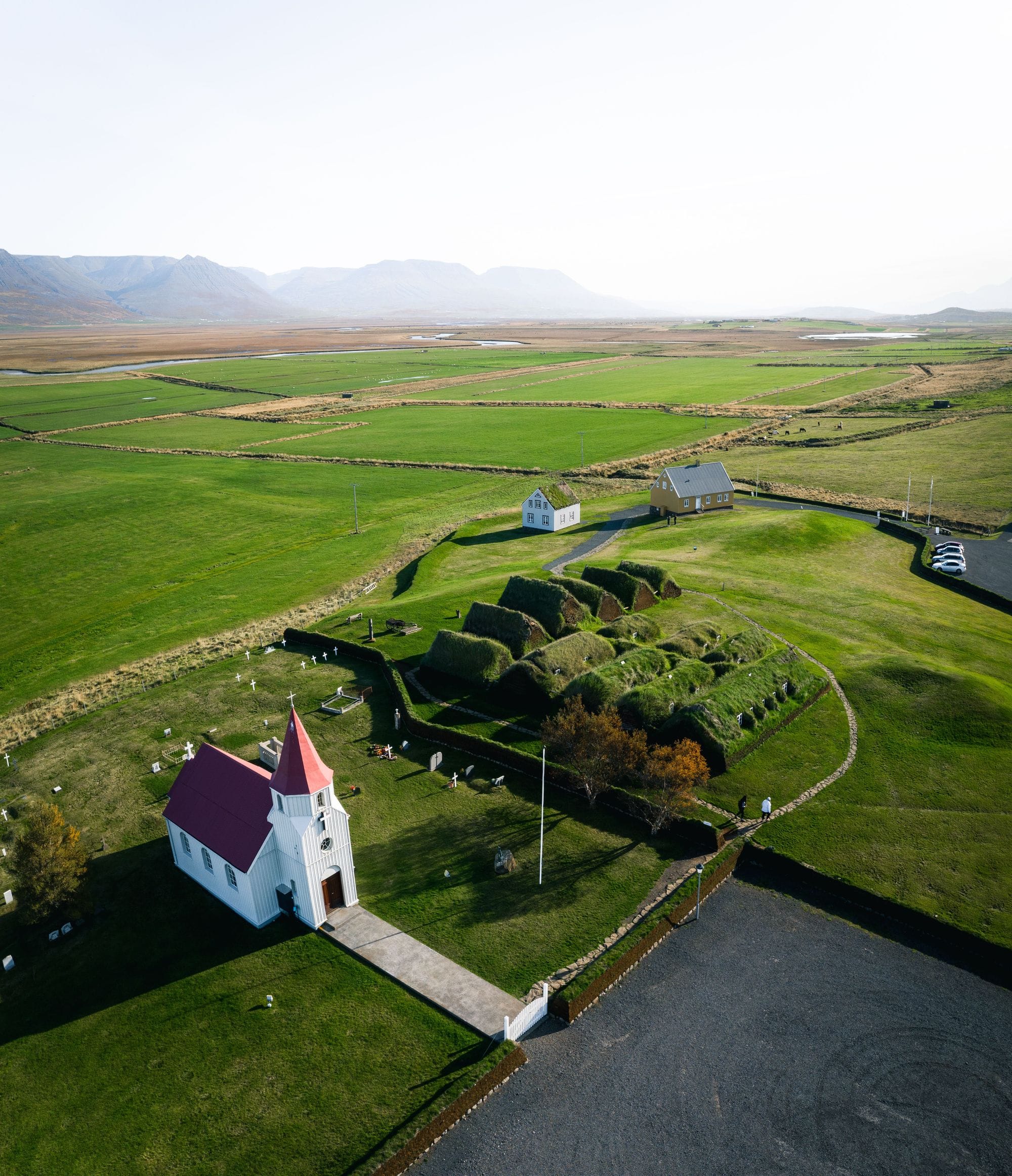
Photo credit: Visit North

Photo credit: Visit North

Photo credit: Visit North
Photo credit: Visit North
Photo credit: Visit North
Photo credit: Visit North
Photo credit: Visit North
Why You Should Visit Glaumbær
Glaumbær is more than a historical attraction — it is one of the most atmospheric and authentic glimpses into Icelandic life before modern times. Visitors consistently describe it as “stepping back in time” or “walking inside a storybook.”
A visit here adds depth to any Iceland itinerary and complements nearby experiences such as:
- Sauðárkrókur
- Grettislaug hot spring
- Drangey island tours
- Hofsós infinity pool
- Hólar in Hjaltadalur
.jpg)
Whether viewed under bright summer skies or dusted with winter snow, Glaumbær’s turf rooftops and quiet farmyard carry a sense of timelessness that stays with travelers long after they’ve left.
Thank you for reading this page. We hope it was informative, If not please let us know through [email protected]
Siglufjörður – A Fjord Full of History, Charm, and Northern Beauty
December 2025
The Christmas Garden – Where the Magic of Christmas Lives All Year
December 2025

Seyðisfjörður – The Colorful Heart of the Eastfjords
November 2025
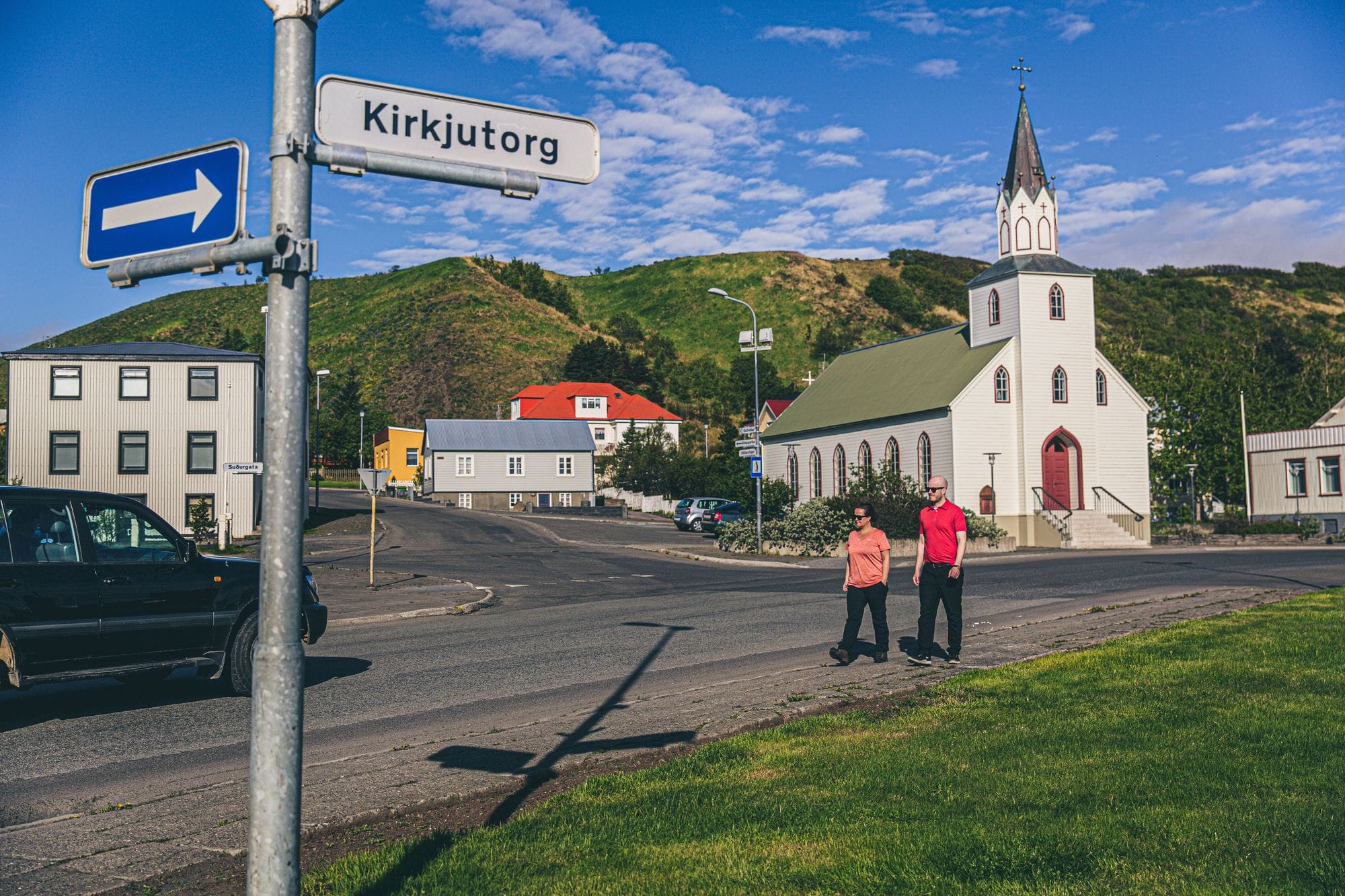
Sauðárkrókur: A Proud Heart in the North
November 2025
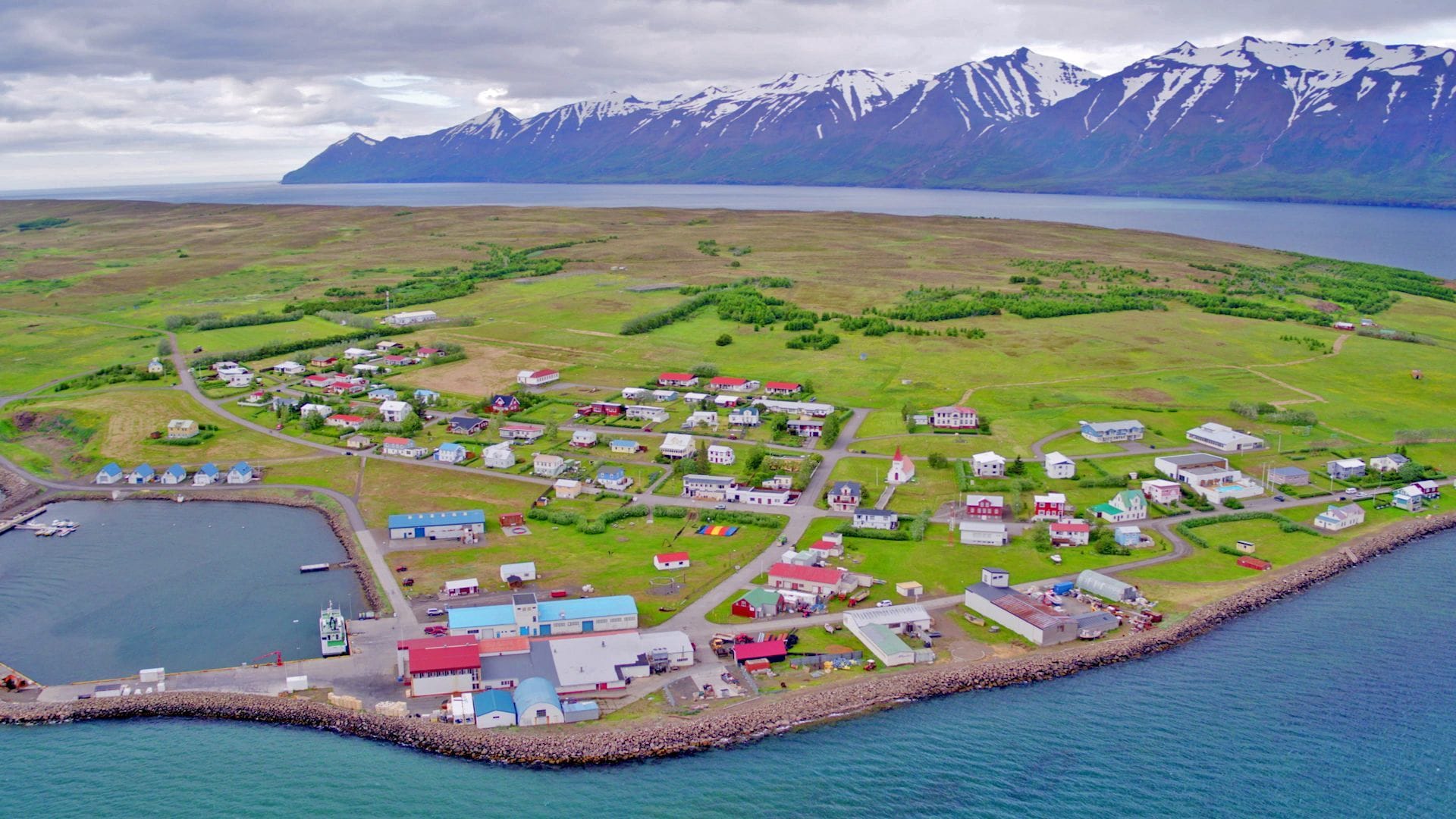
Hrísey: Island of Peace in the Heart of Eyjafjörður
May 2025
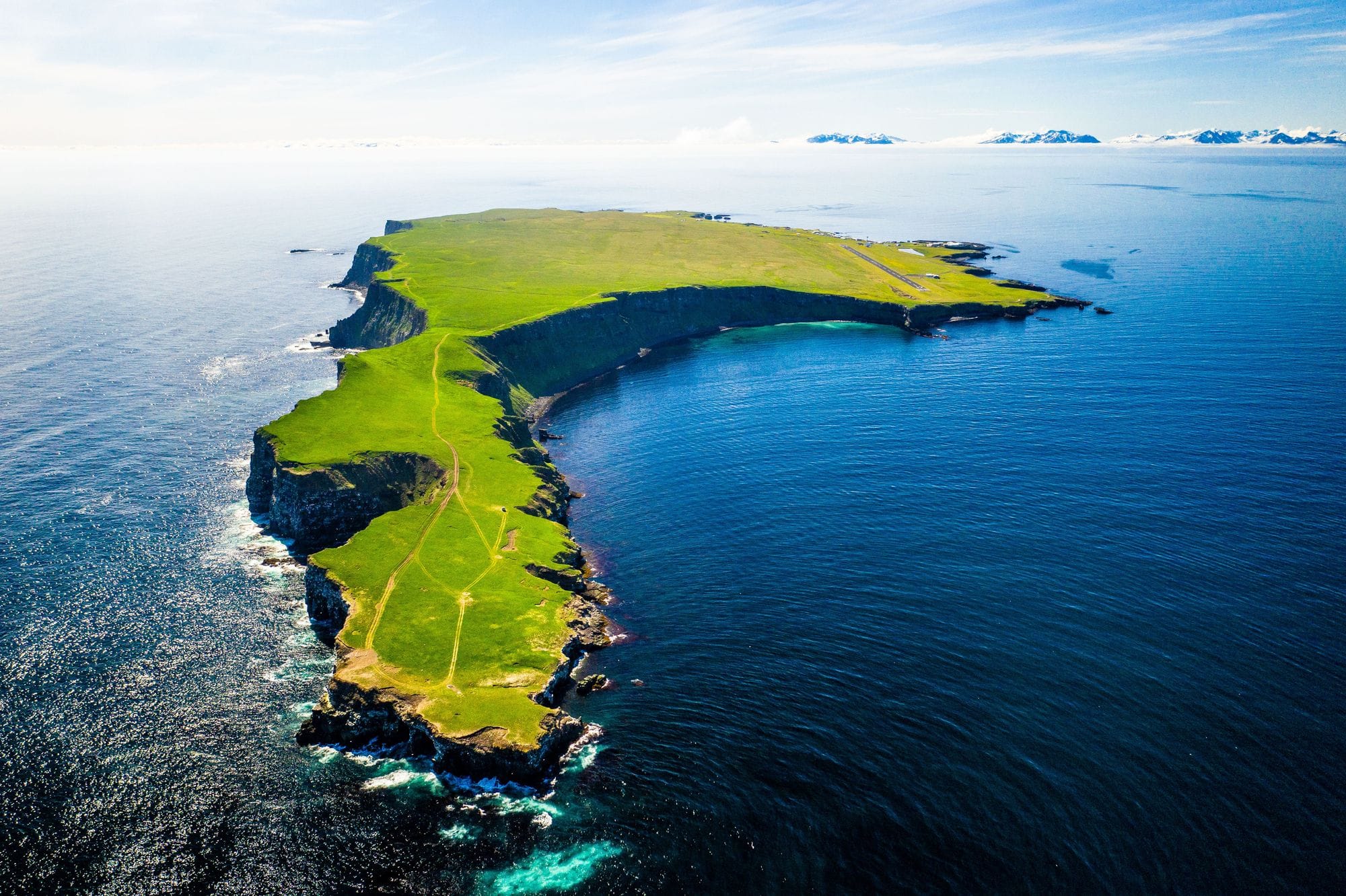
Grímsey: Across the Arctic Circle, Into the Stillness
May 2025