Water in Iceland: Why It’s Among the Cleanest in the World
If you’ve visited Iceland — or are planning a trip — you’ve probably heard this more than once:
“You can drink the tap water.”
And it’s true.
Icelandic water isn’t just safe to drink. It’s exceptionally clean, naturally filtered, and woven into everyday life in a way many visitors only notice once they arrive.
So what makes water in Iceland so special? And why do locals treat it as something completely ordinary?
Where Does Iceland’s Water Come From?
Unlike many countries, Iceland doesn’t depend on large reservoirs or complex treatment systems for drinking water.
Most of Iceland’s water comes from:
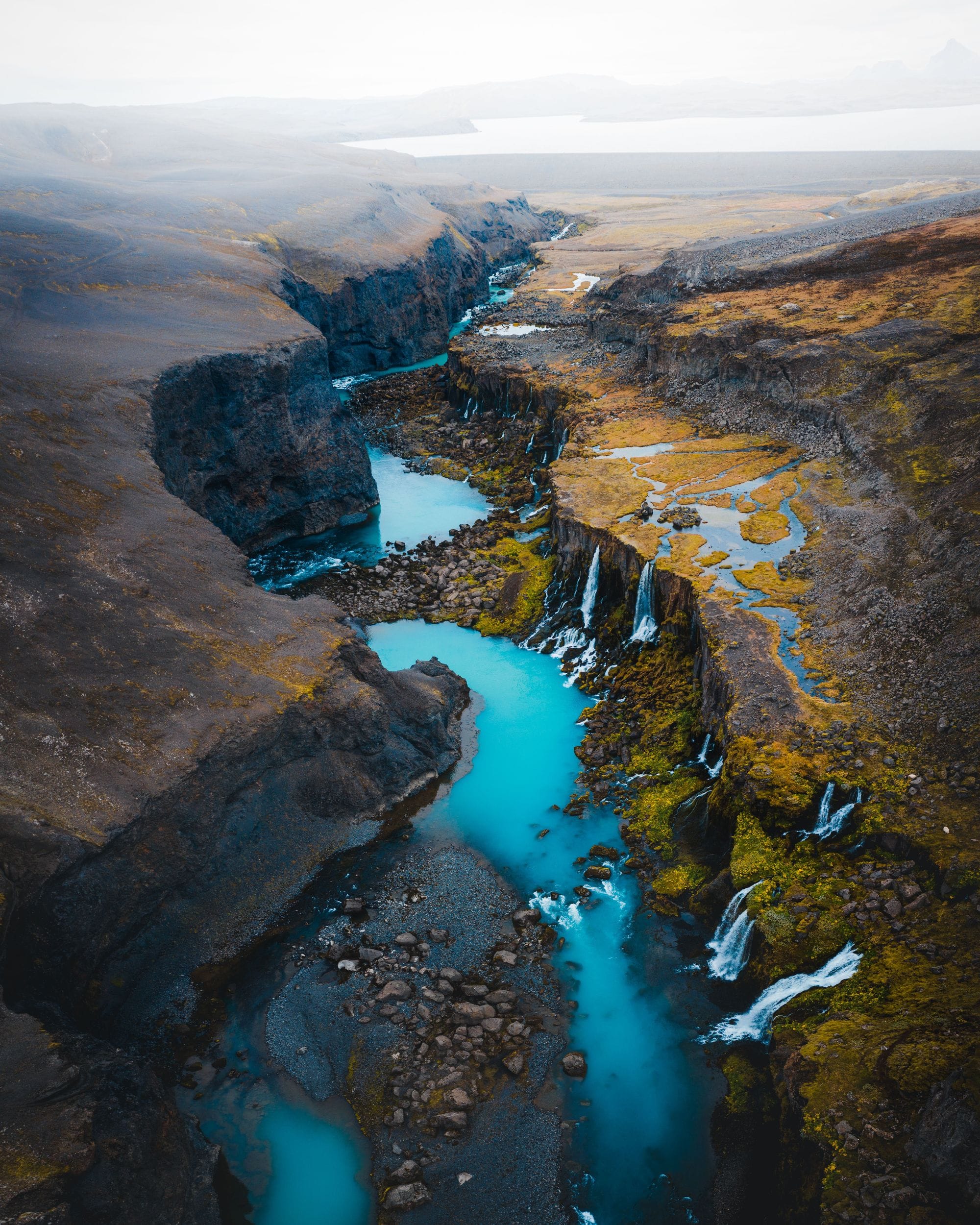
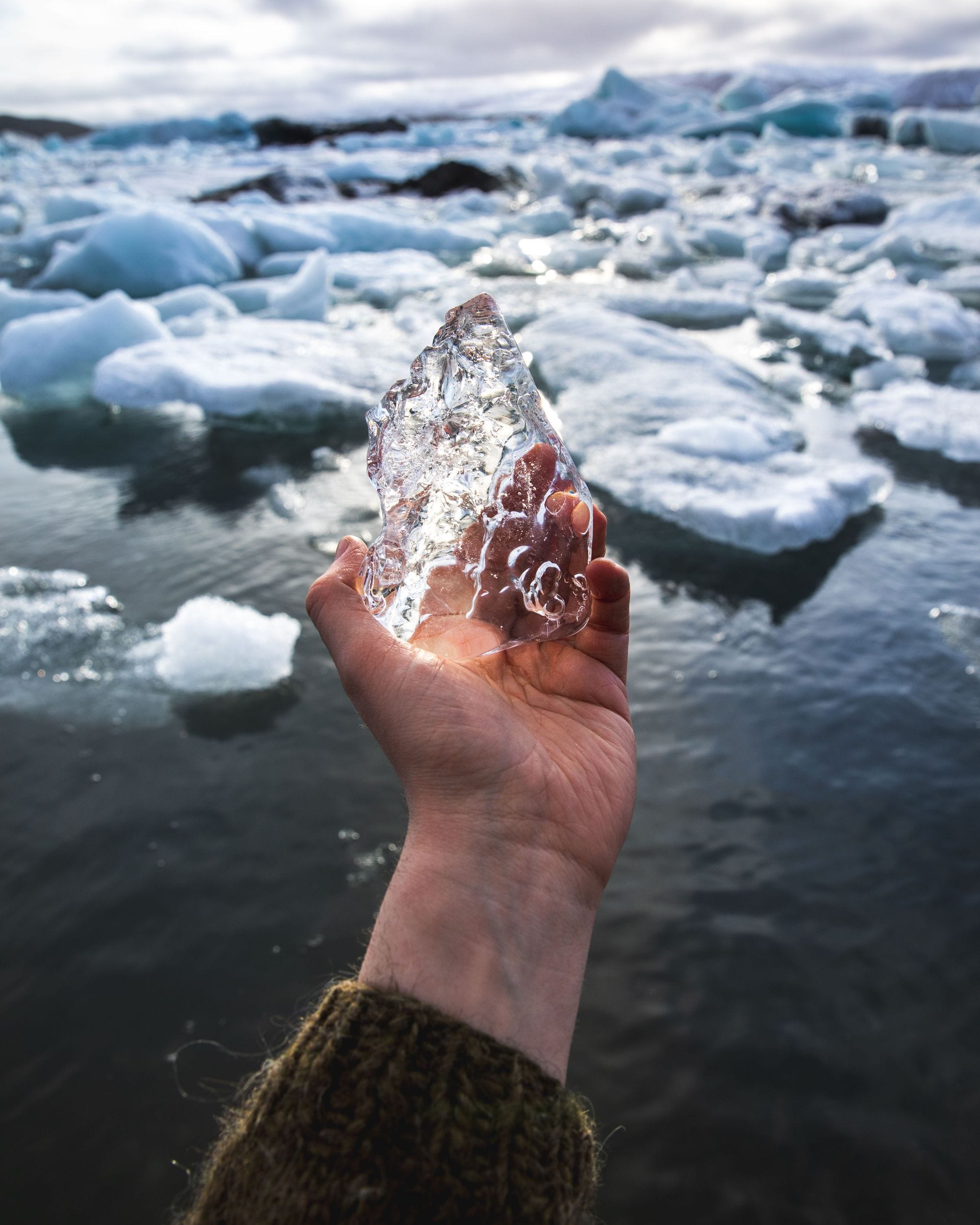
- glacial meltwater
- natural springs
- rain filtered through volcanic lava fields
This is where lava plays a key role. Iceland’s porous volcanic rock acts as a natural filter, slowly purifying the water — often over decades — before it reaches a spring or your tap.
No chemical treatment. No artificial filtration plants. Just geology doing its job.
Can You Really Drink Tap Water in Iceland?
Yes — everywhere in the country.
Tap water in Iceland is:
- completely safe to drink
- untreated or only minimally treated
- extremely low in pollutants
Bottled water is rarely bought by Icelanders. Many see it as unnecessary — and slightly puzzling — when visitors choose plastic bottles instead of refilling a reusable one from the tap.
Tip: Bring a refillable bottle. You can fill it almost anywhere.
Why Does Icelandic Hot Water Smell Like Sulfur?
If you notice a mild sulfur smell when turning on the hot tap, there’s no need to worry.
Cold water
- Comes directly from natural springs
- Has no smell
- Tastes crisp, cold, and clean
Hot water
- Heated using geothermal energy
- May have a faint sulfur scent
- Is completely safe to use
Most visitors get used to it quickly — and many miss Icelandic water once they leave.
Is Iceland’s Water Sustainable?
Yes — and this is where Iceland quietly leads by example.
- Water sources are naturally replenished
- Hot water is powered by renewable geothermal energy
- Infrastructure is designed for minimal environmental impact
- Plastic bottle use is relatively low
Water is treated as a shared natural resource, not a commercial product.
This approach also shapes Iceland’s pool culture, where naturally heated water is used year-round — even in winter.
Water in Everyday Icelandic Life
Water in Iceland is about much more than drinking.
Swimming pools
Every town has at least one public pool, heated with geothermal water. They’re places for relaxation, conversation, and daily routine.
Showers
You’ll often see signs asking guests to shower without swimwear before entering pools. This isn’t about strict rules — it’s about keeping the water clean without heavy chemical use.
Respect for nature
Because the water is so pure, protecting it matters. Safeguarding water sources is both a cultural value and a legal responsibility in Iceland.
Do You Need to Buy Bottled Water in Iceland?
Short answer: No.
Long answer:
- Tap water is often cleaner than bottled alternatives
- Bottled water creates unnecessary plastic waste
- Refillable bottles are widely used and encouraged
When hiking or exploring remote areas, you can often refill from streams — though local advice and common sense always apply.
Why Icelandic Water Matters for Responsible Travel
At Key to Iceland, we believe that understanding everyday details makes travel more meaningful.
Choosing tap water is a small decision — but it reflects:
- respect for local habits
- reduced waste
- a closer connection to how Icelanders live
Sometimes the most memorable parts of Iceland aren’t dramatic landscapes — but the quiet things you experience every day.
Frequently Asked Questions About Water in Iceland (AEO)
Is tap water safe to drink in Iceland?
Yes. Tap water in Iceland is among the cleanest in the world and safe to drink everywhere.
Why does hot water smell like sulfur in Iceland?
The smell comes from geothermal heating. It’s harmless and fades quickly.
Do Icelanders drink bottled water?
Rarely. Most people drink tap water daily.
Can you drink water from streams in Iceland?
Often yes, especially in remote areas, but conditions should always be assessed locally.
Is Icelandic water chemically treated?
Cold drinking water is usually untreated due to its natural purity.
In Short
Clean, cold, and straight from nature — Icelandic water reflects the country itself.
So next time you turn on the tap in Iceland, take a sip.
You’re tasting thousands of years of geology, filtered through lava, powered by nature — and shared freely.
Thank you for reading this page. We hope it was informative, If not please let us know through [email protected]
Everyday Icelandic Food (Not the Tourist Version)
February 2026
Do You Need a 4x4 in Iceland? When, Where, and Why
February 2026
What Locals Do Differently in Winter in Iceland
February 2026
Reynisfjara After the Erosion: What Has Changed and Why It Matters
February 2026
Öskudagur in Iceland: From Ashes to Costumes
February 2026
Why You Should Never Walk on Moss in Iceland
February 2026