Why There Are No Trees in Iceland (and Why That’s Changing)
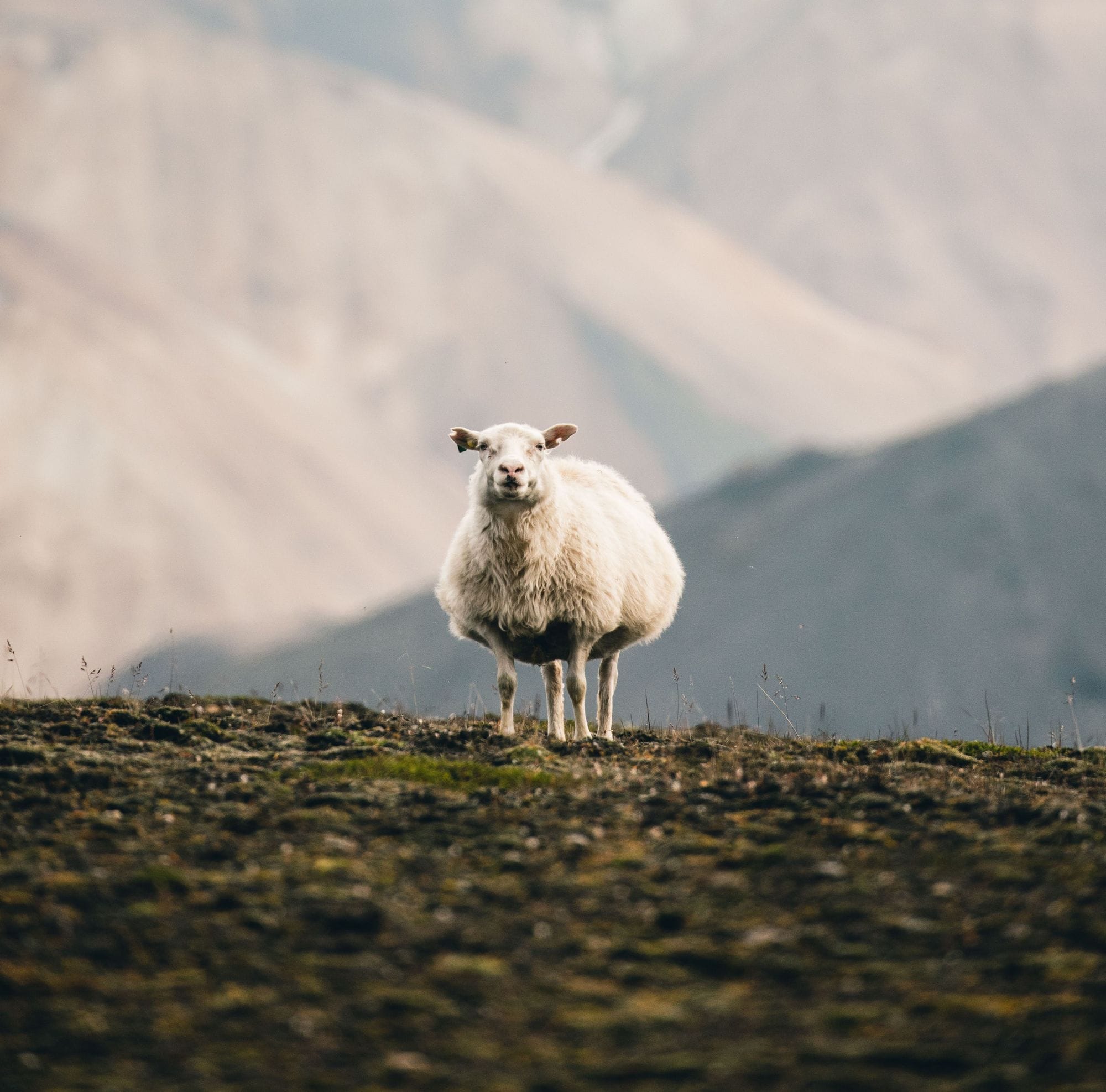
If you travel around Iceland, one thing becomes obvious very quickly:
there are very few trees.
The open landscapes feel vast, exposed, and almost timeless — but this wasn’t always the case. Iceland was once much more wooded than it is today.
So, what happened? And why are trees slowly starting to return?
Iceland Once Had Forests
When the first settlers arrived in Iceland over 1,100 years ago, it’s estimated that up to a quarter of the country was covered in woodland, mainly birch forests.
Trees were essential:
- for building homes and boats
- for fuel and warmth
- for tools and everyday life
In a harsh environment, forests were used heavily - and quickly.
Deforestation Happened Fast
Iceland’s forests disappeared faster than in most other parts of Europe.
The main reasons were:
- extensive logging
- grazing by sheep and other livestock
- volcanic activity and soil erosion
Once trees were gone, the land struggled to recover. Thin soil, strong winds, and a cold climate made natural regrowth extremely difficult.
Why Trees Don’t Grow Back Easily in Iceland
Even today, planting trees in Iceland is challenging.
Trees face:
- short growing seasons
- frequent storms
- nutrient-poor soil
- grazing animals
Without protection, young trees often don’t survive long enough to establish themselves.
This is why many areas remained treeless for centuries.
Why Iceland Is Planting Trees Again
Over the last century, Iceland has made a conscious effort to reverse some of the damage.
Tree planting helps to:
- reduce soil erosion
- stabilize fragile landscapes
- improve biodiversity
- capture carbon
Large-scale reforestation projects began in the 20th century and continue today, using both native birch and carefully selected non-native species.
Why Most Trees Are Still Small
Visitors are sometimes surprised that Icelandic forests look more like shrubs than forests.
That’s because:
- many trees are still young
- growth is slow
- conditions remain harsh
But given time, protected areas are gradually becoming greener.
Why Treeless Landscapes Still Matter
Reforestation doesn’t mean turning Iceland into a forested country overnight.
Open landscapes are:
- a defining feature of Iceland
- part of its cultural and visual identity
- home to unique ecosystems
The goal isn’t to erase Iceland’s character - it’s to restore balance.
Frequently Asked Questions
Why are there no trees in Iceland?
Because of early deforestation, grazing, volcanic activity, and harsh growing conditions.
Did Iceland ever have trees?
Yes. Large parts of the country were forested when it was first settled.
Is Iceland planting trees now?
Yes. Reforestation has been ongoing for decades.
Will Iceland ever be fully forested again?
No - and that isn’t the goal. Tree planting focuses on sustainability and land protection.
In Short
Iceland isn’t naturally treeless - it became that way.
What you’re seeing today is the result of history, climate, and human impact.
And quietly, steadily, parts of the country are turning green again.
Thank you for reading this page. We hope it was informative, If not please let us know through [email protected]
Everyday Icelandic Food (Not the Tourist Version)
February 2026
Do You Need a 4x4 in Iceland? When, Where, and Why
February 2026
What Locals Do Differently in Winter in Iceland
February 2026
Reynisfjara After the Erosion: What Has Changed and Why It Matters
February 2026
Öskudagur in Iceland: From Ashes to Costumes
February 2026
Water in Iceland: Why It’s Among the Cleanest in the World
February 2026