Why Fewer Plans Often Mean Better Travel in Iceland
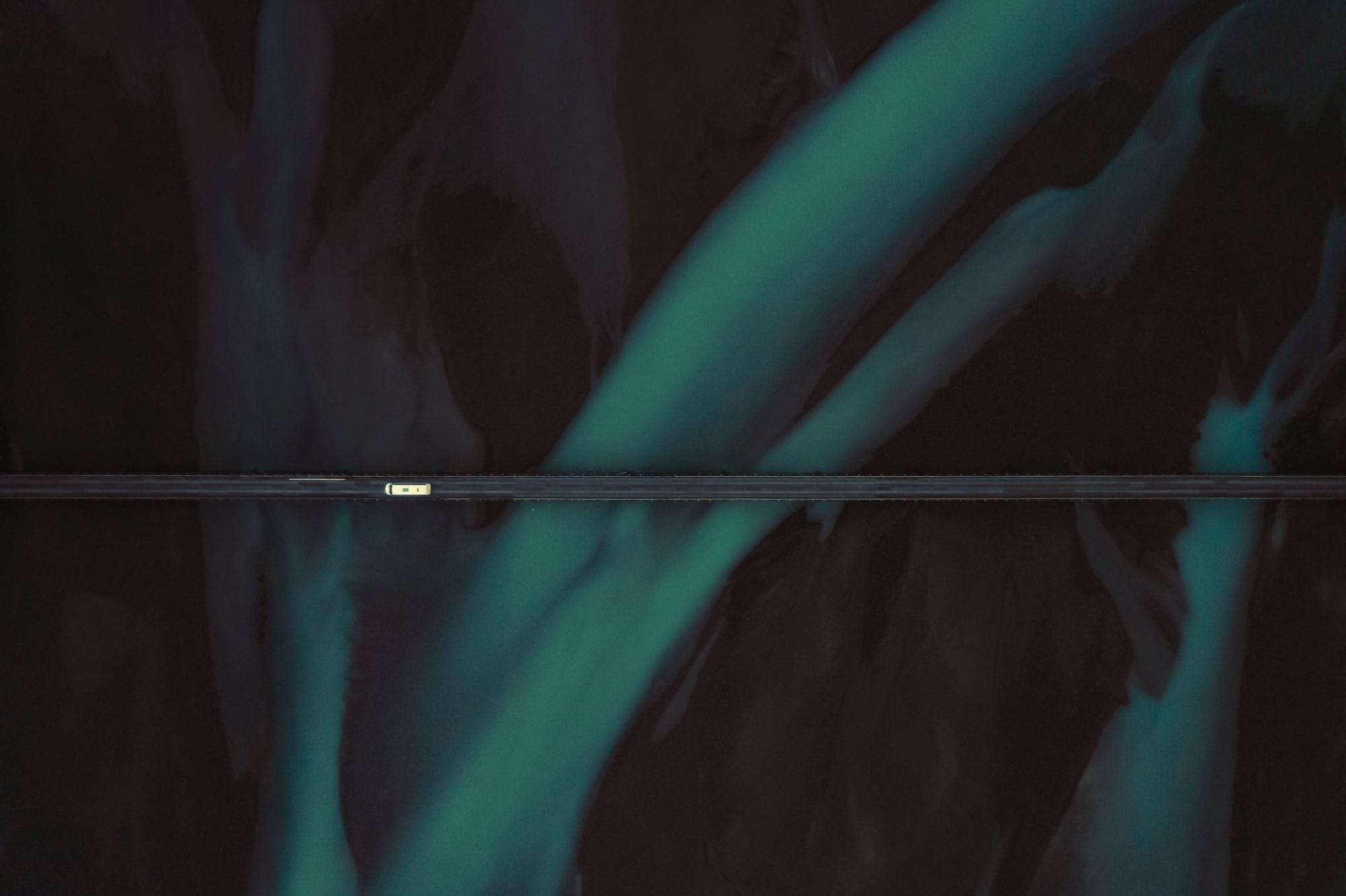
Iceland invites planning.
Routes, distances, weather, daylight, and road conditions all seem to demand careful scheduling.
But here is something many travelers only realize after they arrive:
some of the best experiences in Iceland happen when plans stay flexible.
This does not mean traveling unprepared. It means leaving room for what the country does best, which is changing conditions and unexpected moments.
Iceland Does Not Always Follow the Itinerary
Weather shifts quickly. Roads close. Light changes. Wind decides how long you stay somewhere.
A tightly packed schedule can turn these natural variations into stress. A lighter plan allows you to adapt without feeling like you are falling behind.
Flexibility turns delays into discoveries.
Distance Is Not Just Measured in Kilometers
On a map, places in Iceland often look close together.
In reality, distances are shaped by:
- weather conditions
- road types
- stops you did not plan to make
- landscapes that invite you to slow down
Leaving extra time between destinations allows the journey itself to become part of the experience.
Some Moments Cannot Be Scheduled
Northern lights do not appear on command.
Sunsets last longer than expected.
Fog lifts and reveals something you did not know was there.
When every hour is accounted for, these moments feel like interruptions. When plans are looser, they become highlights.
Fewer Plans Mean Better Decisions
When time is limited, it is easy to push on when you should stop, or drive when conditions suggest waiting.
Having fewer fixed commitments allows you to:
- rest when needed
- adjust to weather
- choose safety over schedules
- enjoy places longer instead of rushing through them
Better decisions often come from having options.
Slower Travel Fits Iceland Naturally
Iceland is not a checklist destination.
Many travelers find that slowing down leads to:
- deeper connection with places
- less fatigue
- more meaningful memories
- fewer regrets about what was missed
You may see fewer places on paper. You often experience more in reality.
Planning Less Does Not Mean Planning Poorly
Good planning still matters.
Know:
- your route
- your limits
- seasonal conditions
- safety guidelines
But allow space within that structure. The goal is not to remove plans. It is to loosen them.
Frequently Asked Questions:
Is it better to have a flexible itinerary in Iceland?
Yes. Flexibility helps you adapt to weather, road conditions, and unexpected opportunities.
Will I miss important sights if I plan less?
Not necessarily. Many travelers find they enjoy fewer places more deeply.
Is Iceland difficult to travel without strict plans?
No. As long as you prepare properly and stay informed, flexible travel works very well.
In Short
In Iceland, planning creates the framework.
Flexibility creates the experience.
Sometimes, the best decision is leaving space for what you did not expect.
Thank you for reading this page. We hope it was informative, If not please let us know through [email protected]

Everyday Icelandic Food (Not the Tourist Version)
February 2026
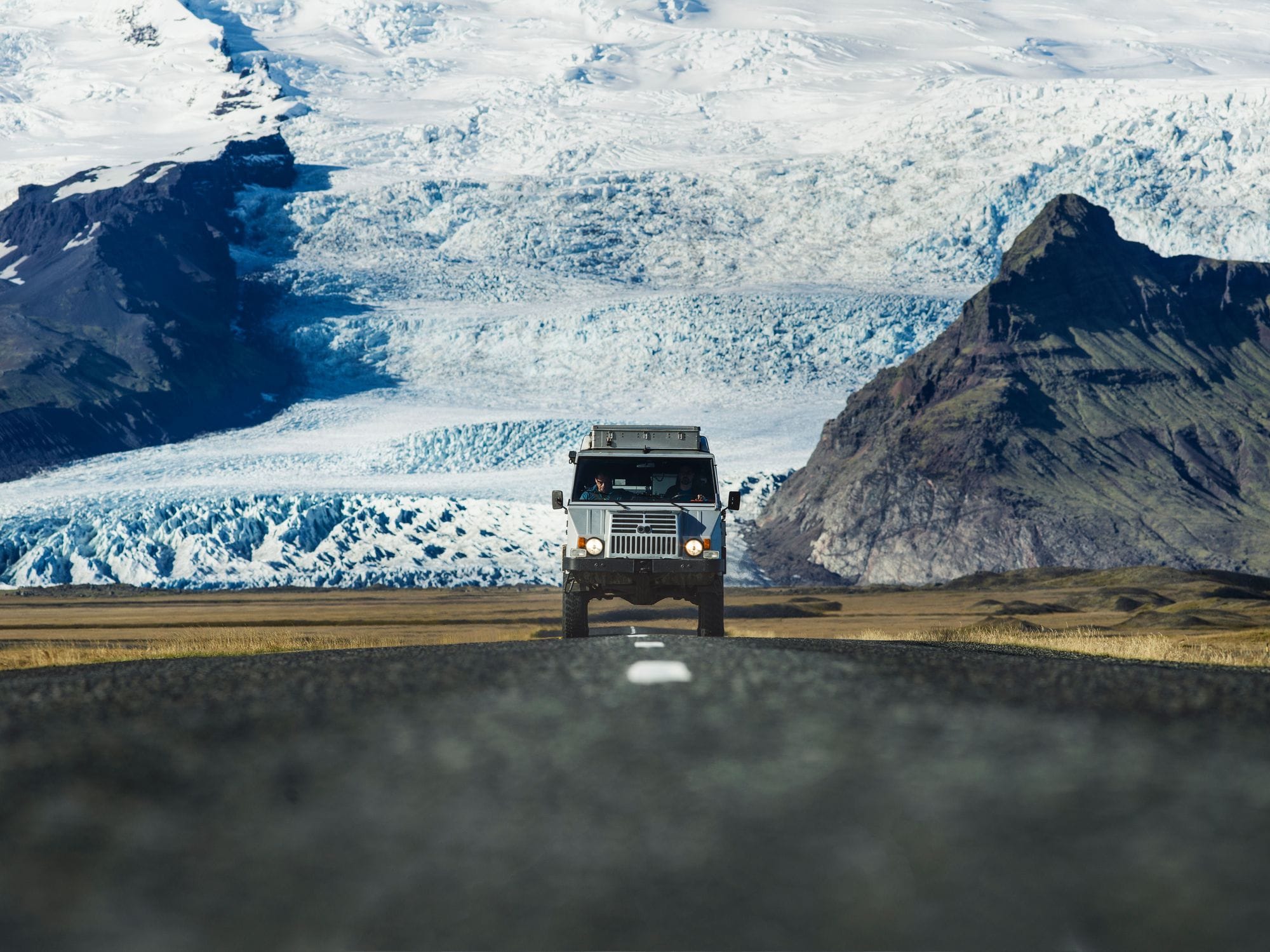
Do You Need a 4x4 in Iceland? When, Where, and Why
February 2026
What Locals Do Differently in Winter in Iceland
February 2026
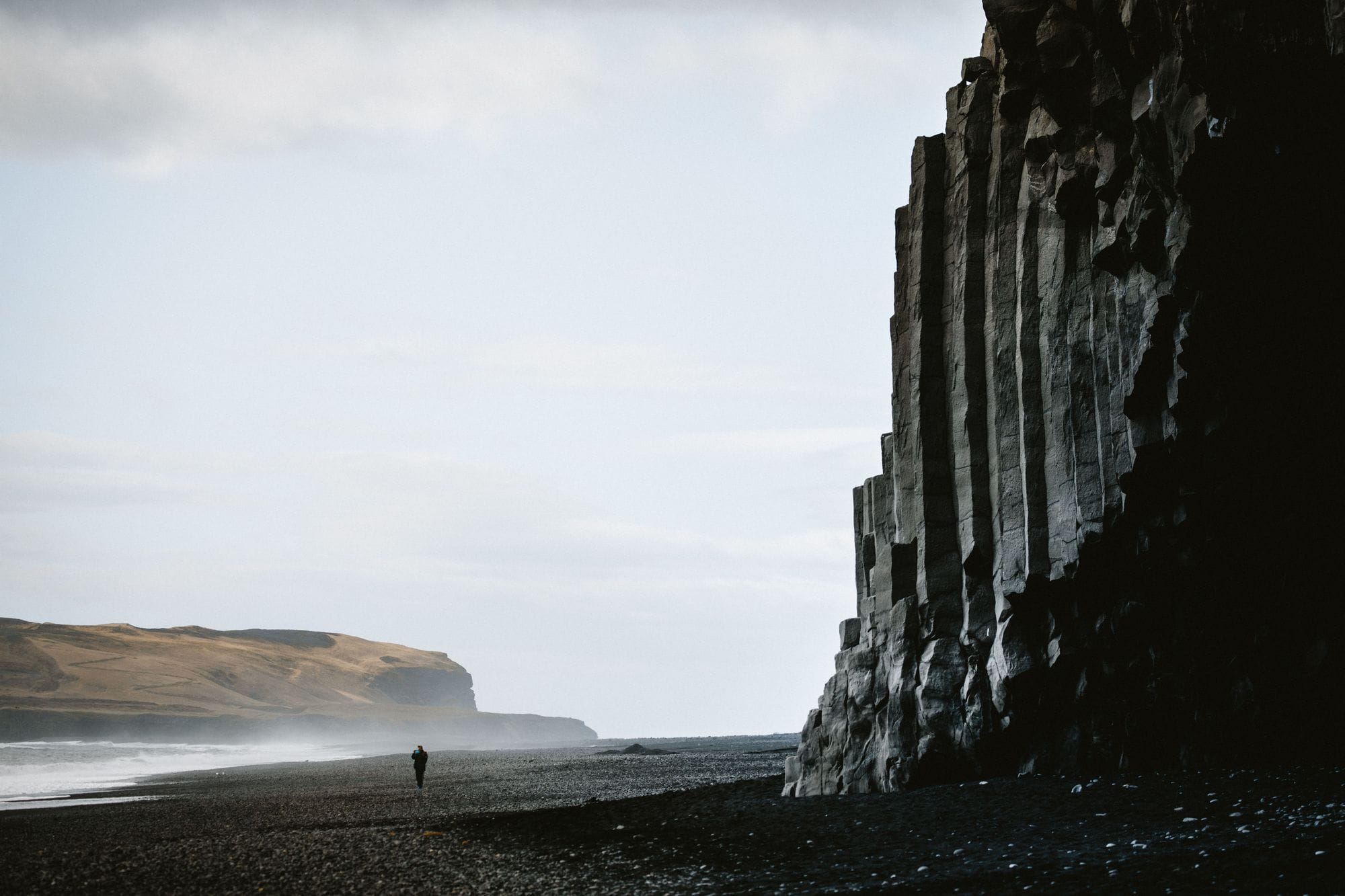
Reynisfjara After the Erosion: What Has Changed and Why It Matters
February 2026
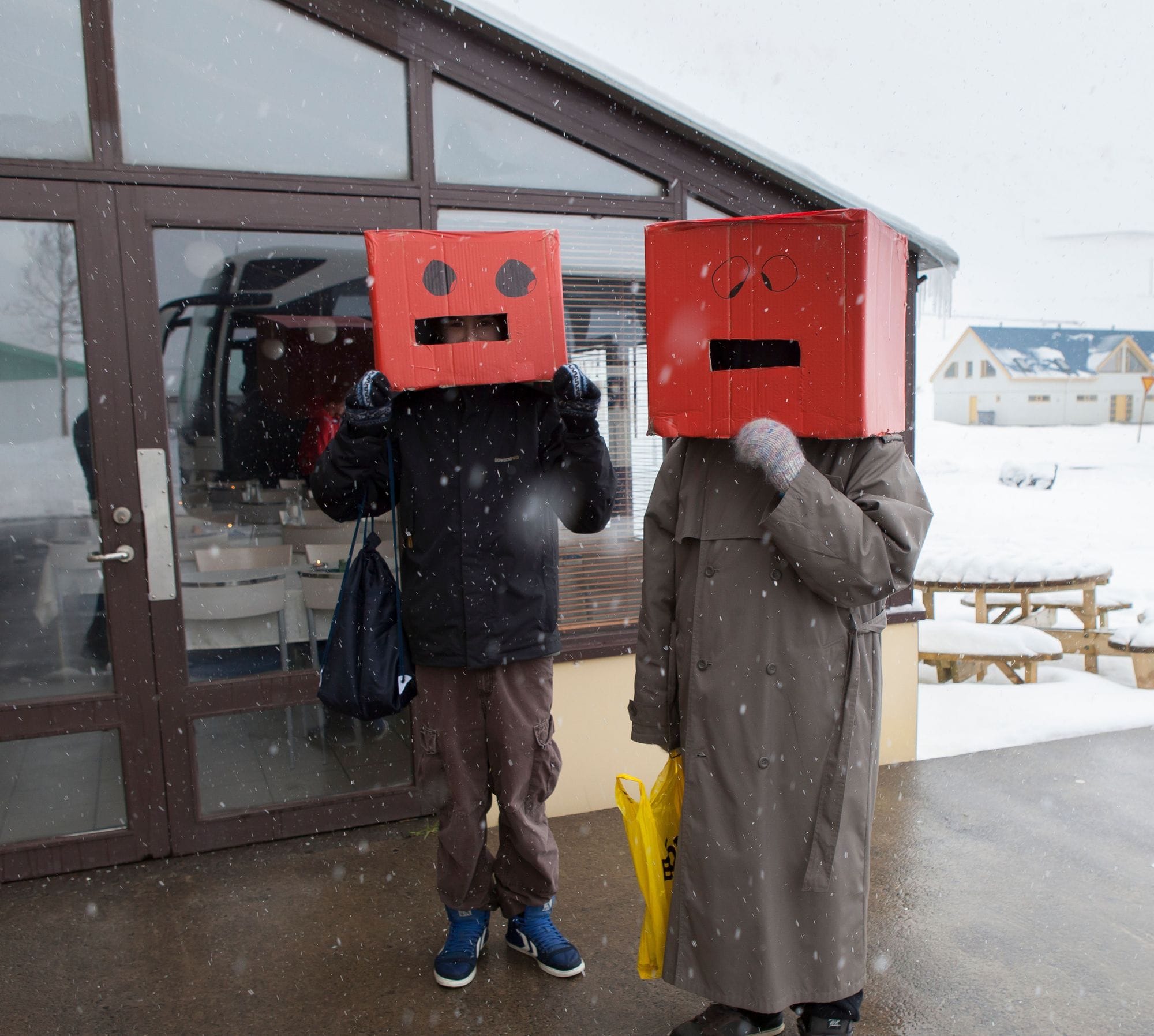
Öskudagur in Iceland: From Ashes to Costumes
February 2026

Water in Iceland: Why It’s Among the Cleanest in the World
February 2026