Things That Are Normal in Iceland (But Surprise Visitors)
Photo credit: Víðir Björnsson
Some things in Iceland don’t look unusual to locals at all.
But for visitors, they can be unexpected, confusing, or quietly fascinating.
These are not tourist attractions. They are everyday habits, systems, and cultural norms that shape daily life in Iceland and often catch travelers off guard.
Everyday Habits, Systems, and Cultural Norms in Iceland
1. Drinking Tap Water Everywhere
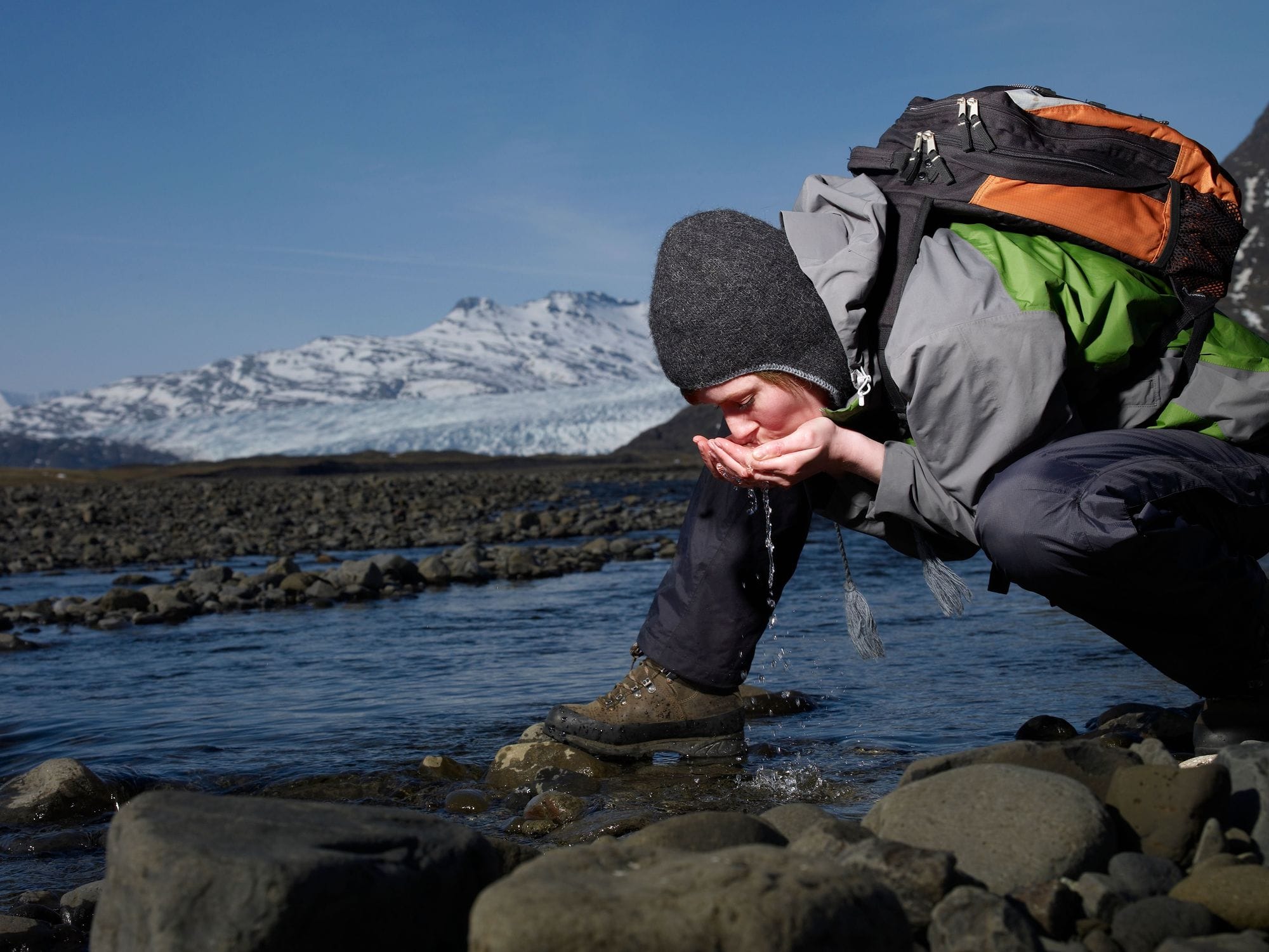
In Iceland, drinking tap water is standard.
People refill bottles at homes, hotels, restaurants, and gas stations without a second thought.
Buying bottled water is uncommon among locals and often unnecessary. The tap water is clean, cold, and safe to drink almost everywhere.
2. Showering Without Swimwear at Pools
Public swimming pools require guests to shower thoroughly without swimwear before entering.
This is about hygiene, not modesty. Icelandic pools use minimal chemicals, so cleanliness matters. For locals, this is routine. For visitors, it can be surprising the first time.
3. Shoes Left at the Door
In Icelandic homes, shoes usually come off immediately.
This applies whether you are visiting a friend, attending a gathering, or entering some workplaces and childcare facilities. It is practical, weather-related, and deeply ingrained.
4. Babies Sleeping Outside in Strollers
It is normal to see babies sleeping outside in strollers, even in cold weather.
Parents believe fresh air is good for children, and crime rates are low. Babies are bundled properly, monitored closely, and completely safe. To locals, this is unremarkable.
5. Wind Being Taken Seriously
Wind in Iceland is not background noise. It is a factor in daily decisions.
People check wind forecasts before driving, hiking, or opening car doors. Weather warnings are followed closely, and strong winds are treated as a real safety concern.
6. First Names Used Everywhere
People use first names almost exclusively, including with teachers, doctors, managers, and politicians.
There is no strong tradition of last-name formality. This can feel informal to visitors, but it reflects a culture that values equality and directness.
Frequently Asked Questions
What things surprise visitors most about Iceland?
Visitors are often surprised by tap water quality, pool etiquette, weather awareness, and informal social norms.
Is it normal to leave babies outside in Iceland?
Yes. It is a long-standing practice and considered safe when done properly.
Why do people use first names in Iceland?
Because Icelandic culture places less emphasis on titles and formality.
Are Icelanders relaxed about rules?
No. Rules are followed, but systems are often built on trust and shared responsibility.
In Short
Many things that surprise visitors in Iceland are simply everyday life.
Understanding these small details helps travelers move through the country more comfortably, respectfully, and confidently. And often, these are the things people remember most.
7. Fireworks Set Off by Everyone on New Year’s Eve
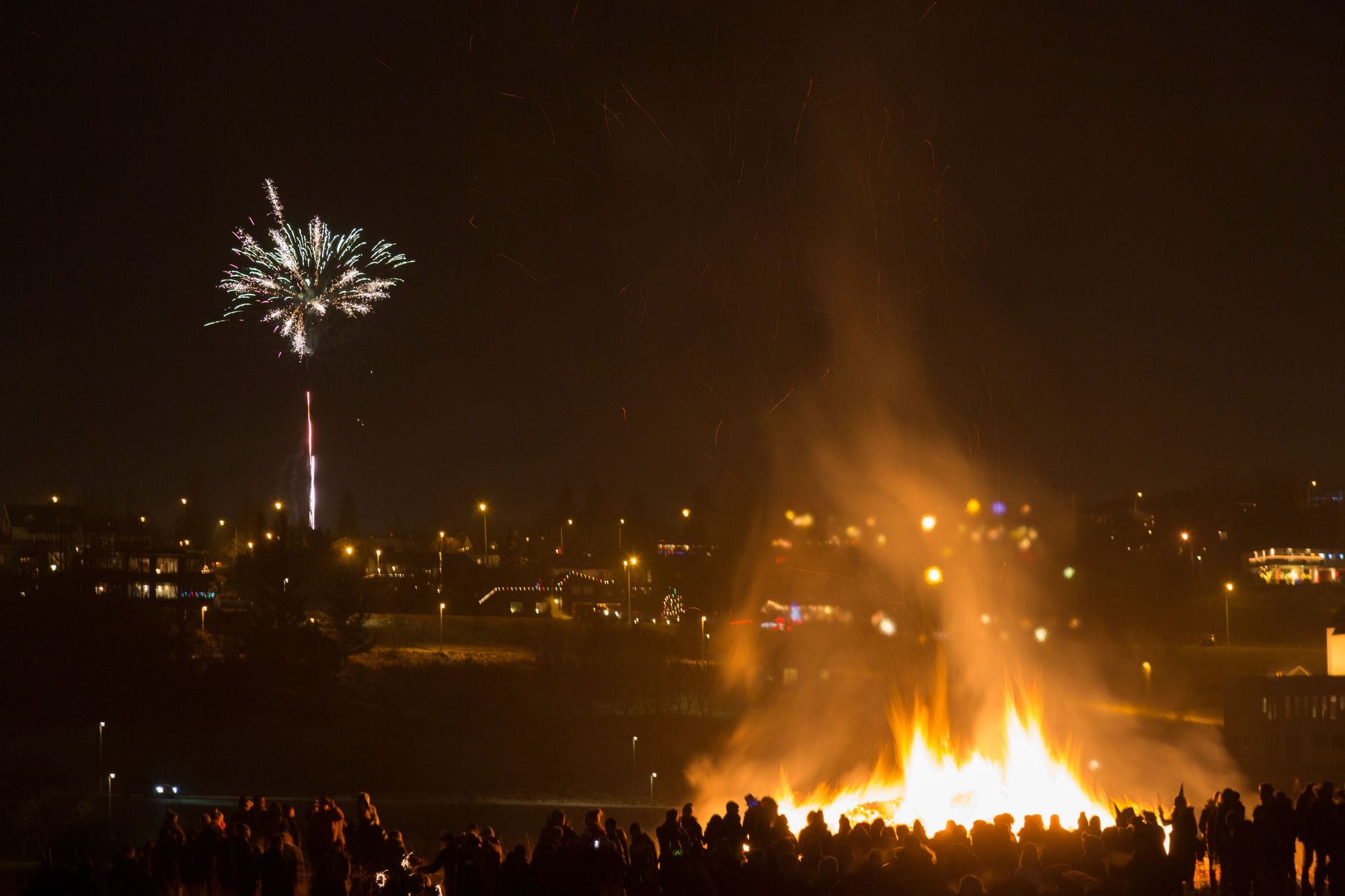
There is no single official fireworks show.
Instead, people all over the country set off fireworks themselves. Entire neighborhoods light up at once, creating a shared, chaotic, and communal celebration. It is loud, bright, and completely normal.
8. Weather Changing Several Times a Day
Experiencing sun, rain, wind, and clouds in the same day is common.
Locals dress in layers and adjust plans as needed. Complaining about weather is less common than adapting to it.
9. Swimming Pools as Social Spaces
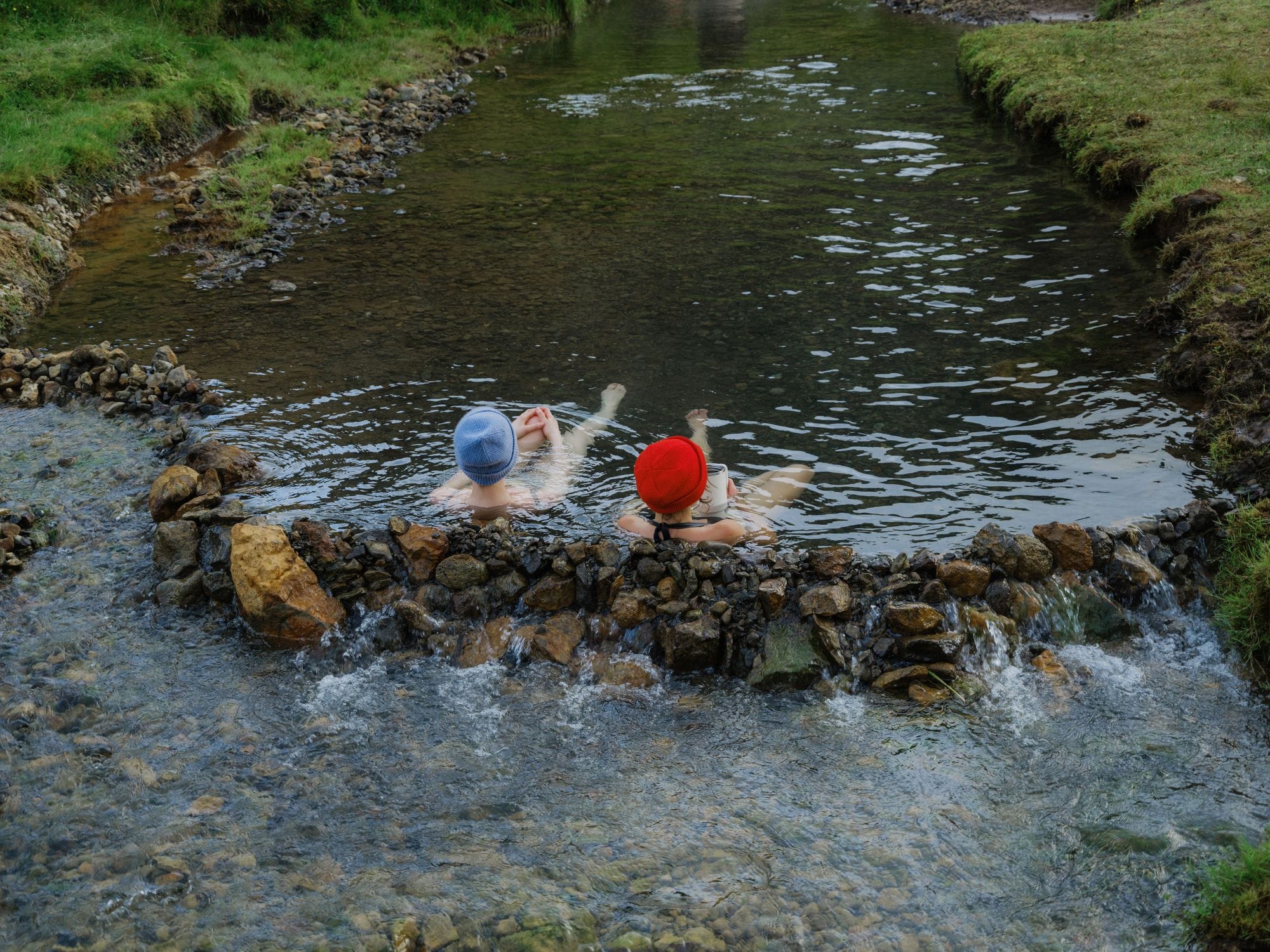
Public pools are not just for exercise.
They are places to meet people, talk, relax, and unwind. Conversations happen in hot tubs. Children grow up at the pool. It is part of daily life, not a luxury.
10. Nature Without Fences or Ticket Booths
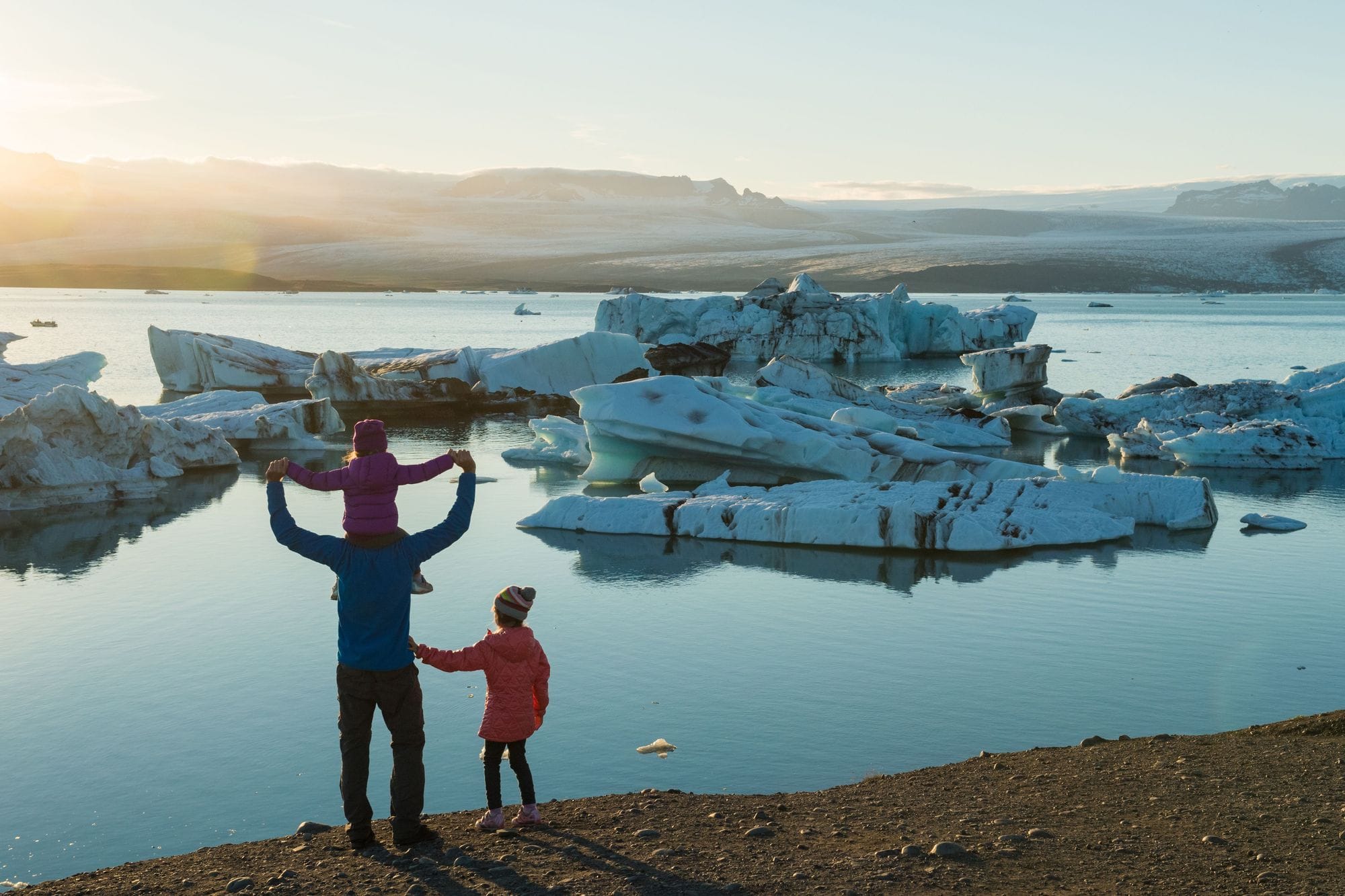
Many natural areas in Iceland are open and unfenced.
There may be paths and signs but not gates or entry fees. This openness comes with an expectation of responsibility, including staying on paths and respecting fragile landscapes.
11. Quiet Cities and Towns
Even in Reykjavík, things tend to quiet down early compared to many cities.
Late nights exist, but everyday life is calm. Silence, space, and slower rhythms are normal and valued.
12. Trust-Based Systems
From honesty boxes at roadside stands to unattended equipment, trust plays a visible role in daily life.
This does not mean rules do not exist. It means systems often assume cooperation rather than misuse.
Thank you for reading this page. We hope it was informative, If not please let us know through [email protected]
Everyday Icelandic Food (Not the Tourist Version)
February 2026
Do You Need a 4x4 in Iceland? When, Where, and Why
February 2026
What Locals Do Differently in Winter in Iceland
February 2026
Reynisfjara After the Erosion: What Has Changed and Why It Matters
February 2026
Öskudagur in Iceland: From Ashes to Costumes
February 2026
Water in Iceland: Why It’s Among the Cleanest in the World
February 2026