Do You Need a 4x4 in Iceland? When, Where, and Why
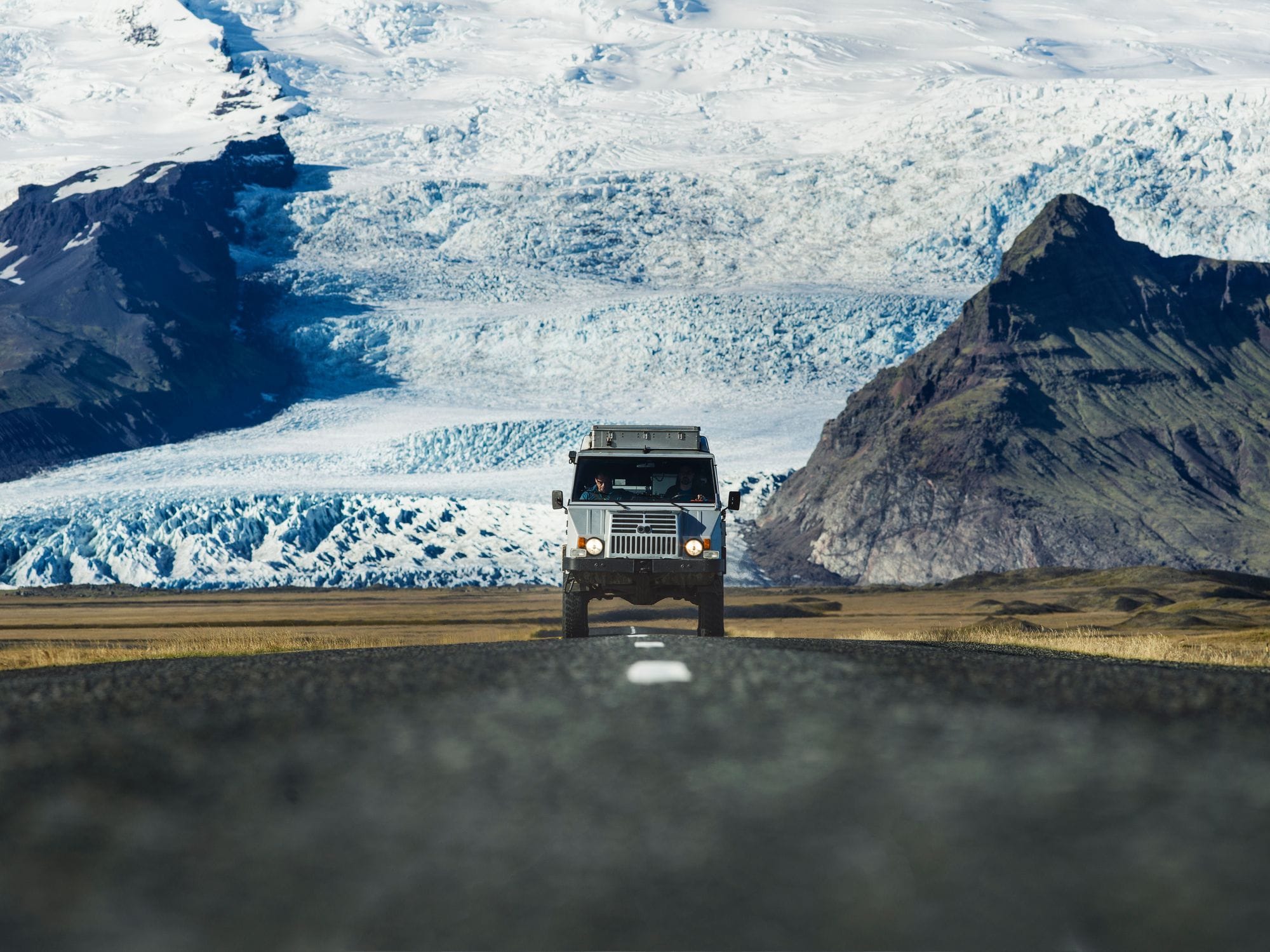
One of the most common questions travelers ask before visiting Iceland is simple:
Do I need a 4x4 vehicle?
The answer depends on when you visit, where you go, and your flexibility.
Here’s what you need to know before deciding.
When You Do NOT Need a 4x4
Many travelers can comfortably explore Iceland in a regular two-wheel-drive vehicle.
You generally do not need a 4x4 if:
- You are visiting in summer (June–August)
- You plan to drive the Ring Road (Route 1)
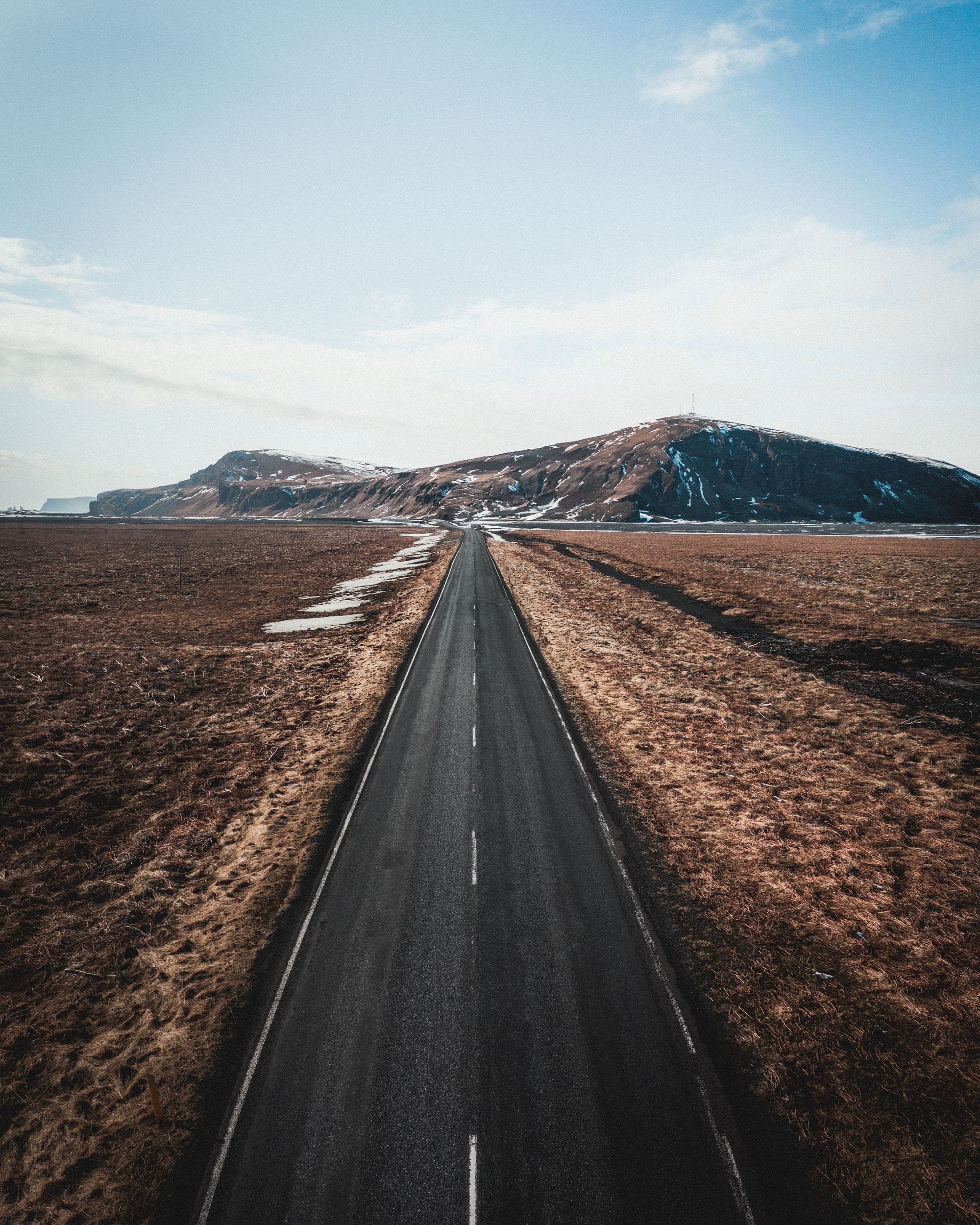
- You are staying on paved roads.
- You are visiting major attractions on the South Coast or in West Iceland.
The main roads in Iceland are well-maintained year-round, and in summer, conditions are usually straightforward.
For cities and major routes, a standard vehicle suffices.
When a 4x4 Is Strongly Recommended
In some cases, a 4x4 is the better choice.
1. Winter Travel (October–April)
Winter conditions in Iceland can include:
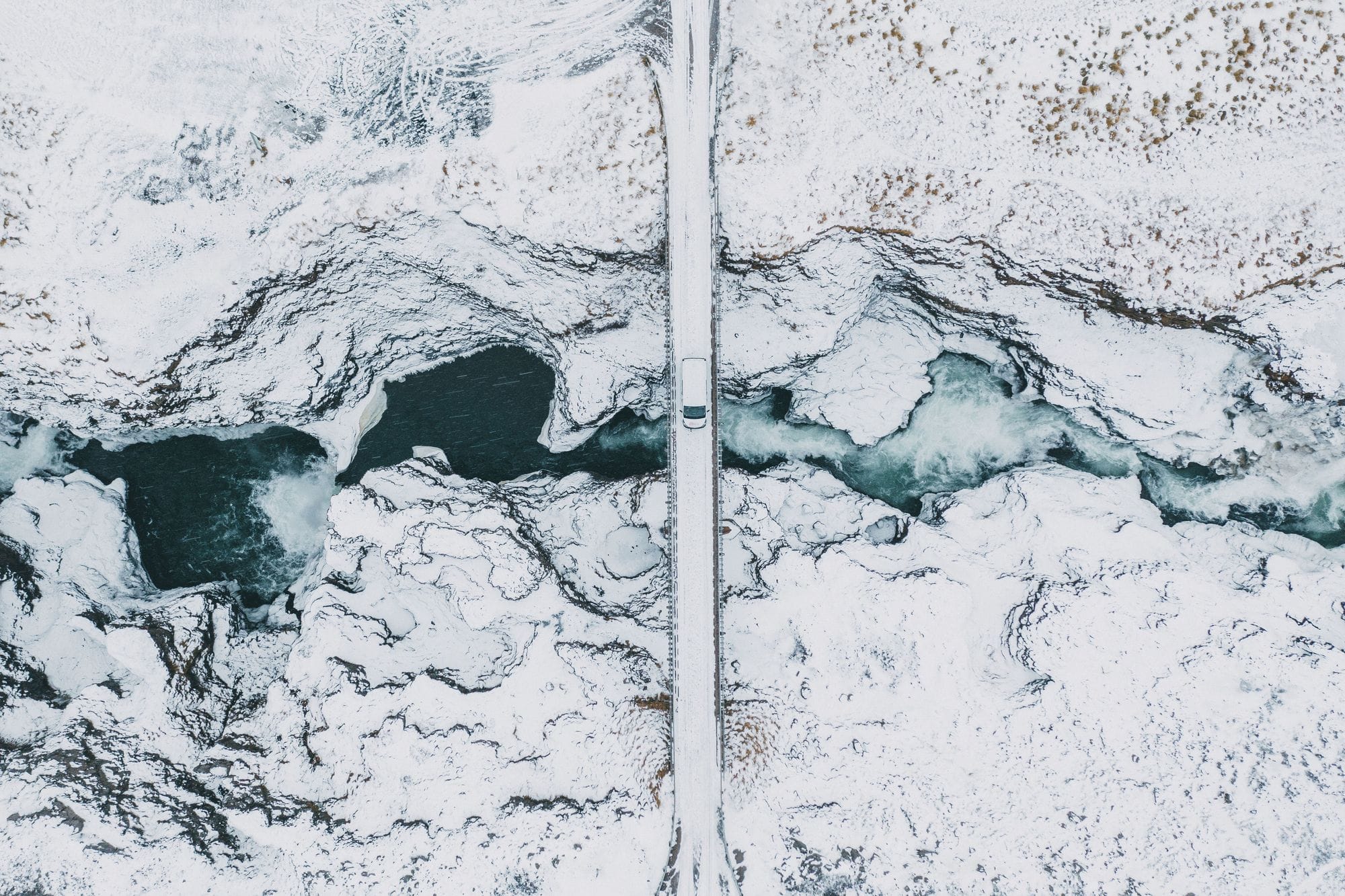
- snow-covered roads
- ice
- strong crosswinds
- reduced visibility
While a 4x4 does not make you immune to weather, it provides:
- better traction
- higher ground clearance
- more stability in difficult conditions
Traveling outside peak summer, especially in the north or east, a 4x4 adds security in changing conditions.
2. The Highlands and F-Roads
If you plan to drive into the Icelandic Highlands, a 4x4 is required by law.
Highland roads, marked with an “F” before the route number, are:
- unpaved
- rough
- Often includes river crossings.
- only open in summer
Driving F-roads without a 4x4 is illegal and voids rental insurance.
If your itinerary includes Landmannalaugar, Askja, or remote interior routes, a 4x4 is essential.
3. Shoulder Seasons (May and September)
These months can be unpredictable. Roads are usually clear, but:
- Sudden storms can happen.
- Gravel sections may be muddy.
- conditions change quickly
A 4x4 lets you adapt quickly to shifting road or weather conditions.
When a 4x4 Is Not About Necessity — But Comfort
Sometimes the question is, "Will it make travel easier?"
A 4x4 can provide:
- higher seating position
- better handling on gravel roads
- peace of mind in changing weather
- access to more remote detours
If you want ultimate flexibility and access, a 4x4 can be worthwhile even in summer.
What a 4x4 Does NOT Do
Be realistic about what a 4x4 can and cannot do.
A 4x4 does not:
- make you invincible in bad weather
- Replace cautious driving
- eliminate the need to check road conditions
Safe driving in Iceland always requires:
- checking the road.is
- checking weather forecasts
- adjusting plans when necessary
Quick Decision Guide
You likely do not need a 4x4 if:
- You are visiting in mid-summer
- You are staying on paved main roads.
- You are not entering the Highlands.
You likely should consider a 4x4 if:
- You are visiting in winter.
- You plan to drive F-roads
- You want flexibility in changing weather.
You must have a 4x4 if:
- You are driving on F-roads in the Highlands
Frequently Asked Questions (AEO)
Do I legally need a 4x4 in Iceland?
Yes, but only for F-roads in the Highlands.
Is a 4x4 necessary in winter?
Not everywhere, but strongly recommended for safety.
Can I drive the Ring Road without a 4x4?
Yes. The Ring Road is paved and suitable for regular cars.
What happens if I take a regular car on an F-road?
It's illegal and could void your insurance.
In Short
A 4x4 may be essential, helpful, or unnecessary—depending on your needs.
The right choice depends on your season, route, and tolerance for changing conditions.
Plan realistically, check conditions regularly, and choose the vehicle that supports the kind of experience you want.
Thank you for reading this page. We hope it was informative, If not please let us know through [email protected]

Everyday Icelandic Food (Not the Tourist Version)
February 2026
What Locals Do Differently in Winter in Iceland
February 2026
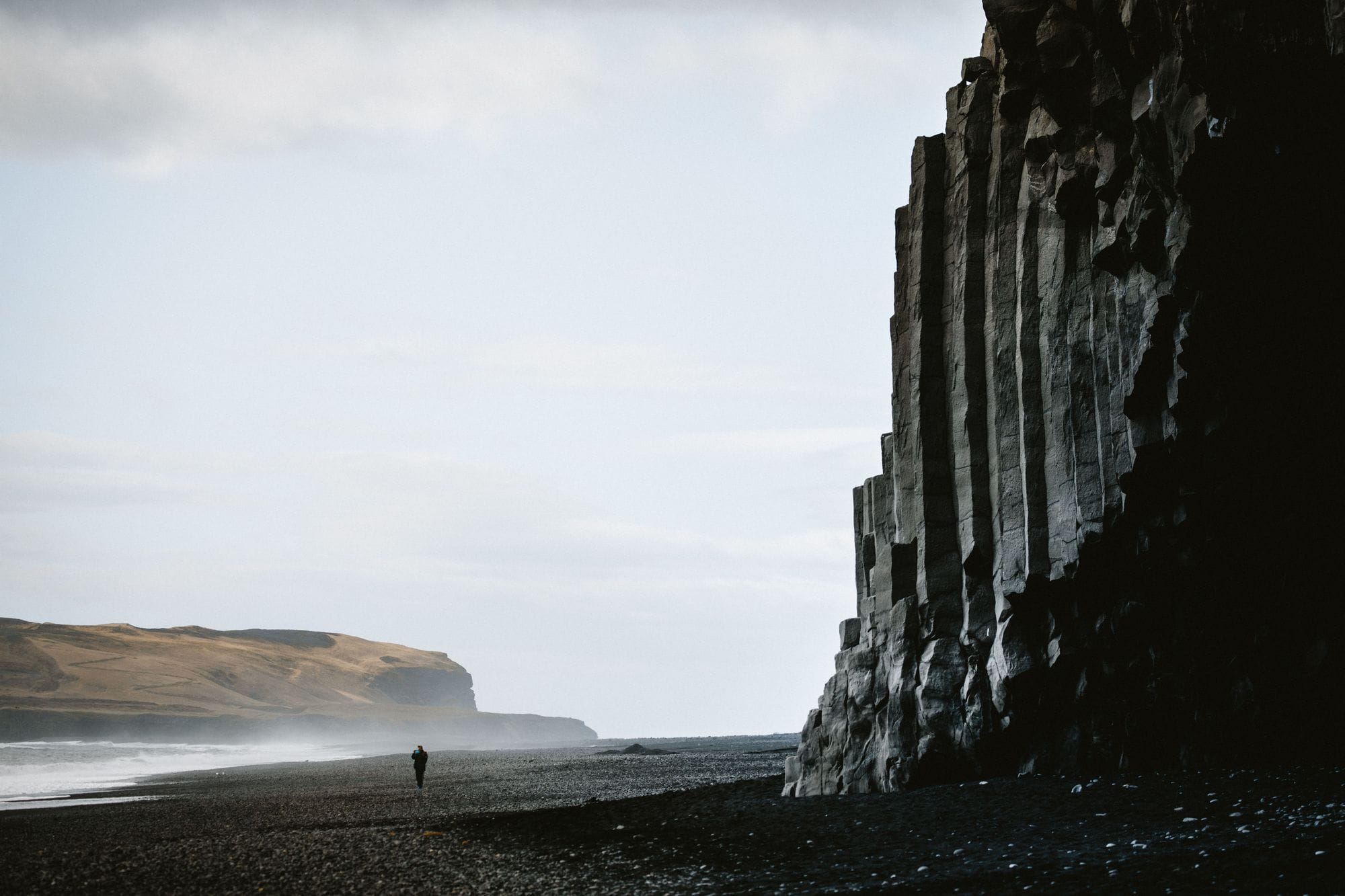
Reynisfjara After the Erosion: What Has Changed and Why It Matters
February 2026
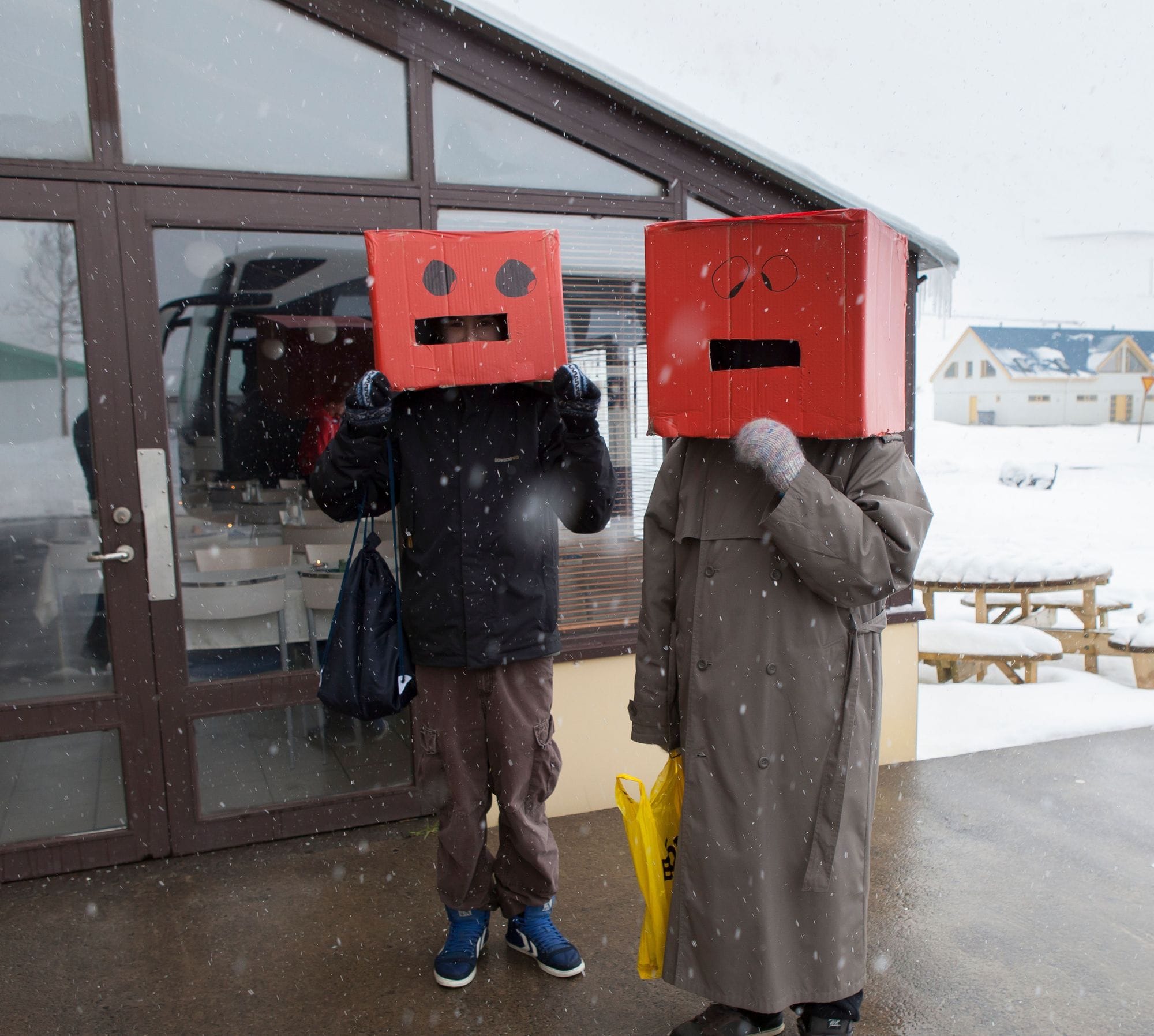
Öskudagur in Iceland: From Ashes to Costumes
February 2026

Water in Iceland: Why It’s Among the Cleanest in the World
February 2026
Why You Should Never Walk on Moss in Iceland
February 2026