Everyday Icelandic Food (Not the Tourist Version)
Many people associate Icelandic food with extremes.
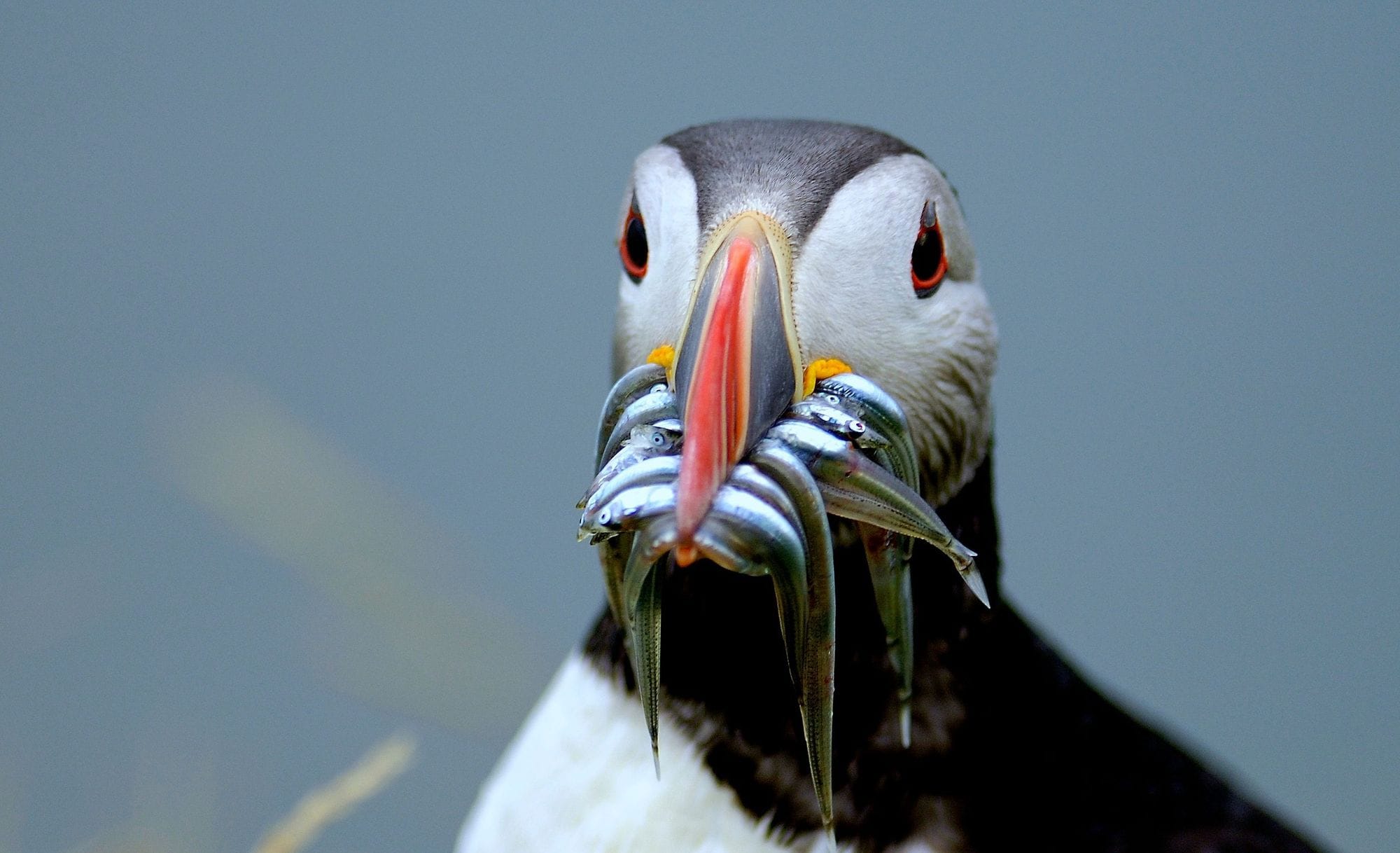
Fermented shark. Sheep’s head. Dried fish is eaten like a dare.
But those are not what Icelanders eat each day.
The reality is much simpler, more comforting, and far more familiar than many visitors expect. Icelandic daily meals are built around good ingredients, practical cooking, and recipes that make sense in a small North Atlantic country.
Here’s what people in Iceland actually eat on a normal week.
Bread, Butter, and Toppings
Bread is central to everyday life.
You’ll find:
- Dense rye bread
- Soft sandwich loaves
- Flatkökur (thin rye flatbread)
Breakfast or lunch is simple: bread with butter, cheese, ham, smoked lamb, or mackerel in tomato sauce. Open-faced sandwiches are common—just good ingredients, nothing complicated.
Skyr is also a daily staple — thick, protein-rich, eaten with berries, sugar, or granola.
Soup Is Not Seasonal — It’s Constant
Soup is one of the foundations of Icelandic home cooking.
On any given week, you might find:
- Lamb soup with root vegetables
- Tomato soup with bread
- Fish soup with cream and herbs
- Simple vegetable soup
Soup makes sense here. It’s practical, filling, and stretches ingredients efficiently.
It’s also comfort food.
Fish, Often and Simply
Fish is a regular part of Icelandic meals, not a novelty.
Cod, haddock, and Arctic char appear regularly on dinner tables. Often pan-fried with potatoes and a light sauce. Sometimes baked. Sometimes made into fish cakes.
It’s nothing dramatic—just fresh fish, cooked well.
Potatoes Still Matter
Boiled potatoes are a standard side dish. So are mashed potatoes.
You’ll see them next to fish, lamb, meatballs, or sausages. Icelandic cooking doesn’t try to reinvent staples. It respects them.
Lamb — But Not as a Gimmick
Icelandic lamb is well known internationally, but at home it’s simply part of regular cooking.
It might appear as:
- Slow-roasted leg of lamb
- Lamb chops with potatoes
- Ground lamb in simple stews
It does not serve as a spectacle. It’s just good meat used simply.

Pasta, Tacos, and Global Influence
Modern Icelandic households are not frozen in time.
You’ll find:
- Pasta dishes
- Homemade pizza
- Tacos on Friday nights
- Stir-fries
- Burgers
Iceland imports much of its food, and global influences are part of daily life. Meals remain home-cooked and uncomplicated.
Dairy Is Everywhere
Butter, milk, cheese, yogurt — dairy plays a major role.
Skyr deserves special mention. It’s technically closer to fresh cheese than yogurt, but it functions as both. It’s eaten daily by children and adults alike.
Hot Dogs Are Actually Normal
Icelandic hot dogs are everyday food, not just for tourists.
They are a genuine everyday fast food—affordable, widely available, and eaten by locals after swimming, late at night, or on road trips.
It’s practical, not ironic.
What You Won’t See Daily
You won’t see:
- Fermented shark on weeknight dinner tables
- Sheep’s head outside of traditional midwinter celebrations
- “Viking feasts” at home
Those foods exist, for heritage and specific occasions—not daily life.
So what really ties all this together as everyday Icelandic food?
If there is a theme, it’s this:
- Practical
- Ingredient-focused
- Not overly spiced
- Built for the climate and season
It’s food that makes sense in a place where winters are long and freshness matters.
Frequently Asked Questions
What do Icelanders eat every day?
Bread, dairy, fish, lamb, potatoes, soups, and simple home-cooked meals.
Do Icelanders eat fermented shark regularly?
No. It is a traditional food eaten mostly during specific seasonal celebrations.
Is Icelandic food very unusual?
Daily food is not unusual. It is simple, practical, and often familiar.
In Short
Every day, Icelandic food is not extreme.
It’s a warm soup after a windy day.
It’s fish and potatoes at the kitchen table.
It’s rye bread with butter and cheese.
It’s Skyr before school.
It’s food shaped by climate, history, and common sense.
And like most places, what people actually eat is quieter — and better — than the myths.
Thank you for reading this page. We hope it was informative, If not please let us know through [email protected]
Do You Need a 4x4 in Iceland? When, Where, and Why
February 2026
What Locals Do Differently in Winter in Iceland
February 2026
Reynisfjara After the Erosion: What Has Changed and Why It Matters
February 2026
Öskudagur in Iceland: From Ashes to Costumes
February 2026

Water in Iceland: Why It’s Among the Cleanest in the World
February 2026
Why You Should Never Walk on Moss in Iceland
February 2026