Reynisfjara After the Erosion: What Has Changed and Why It Matters
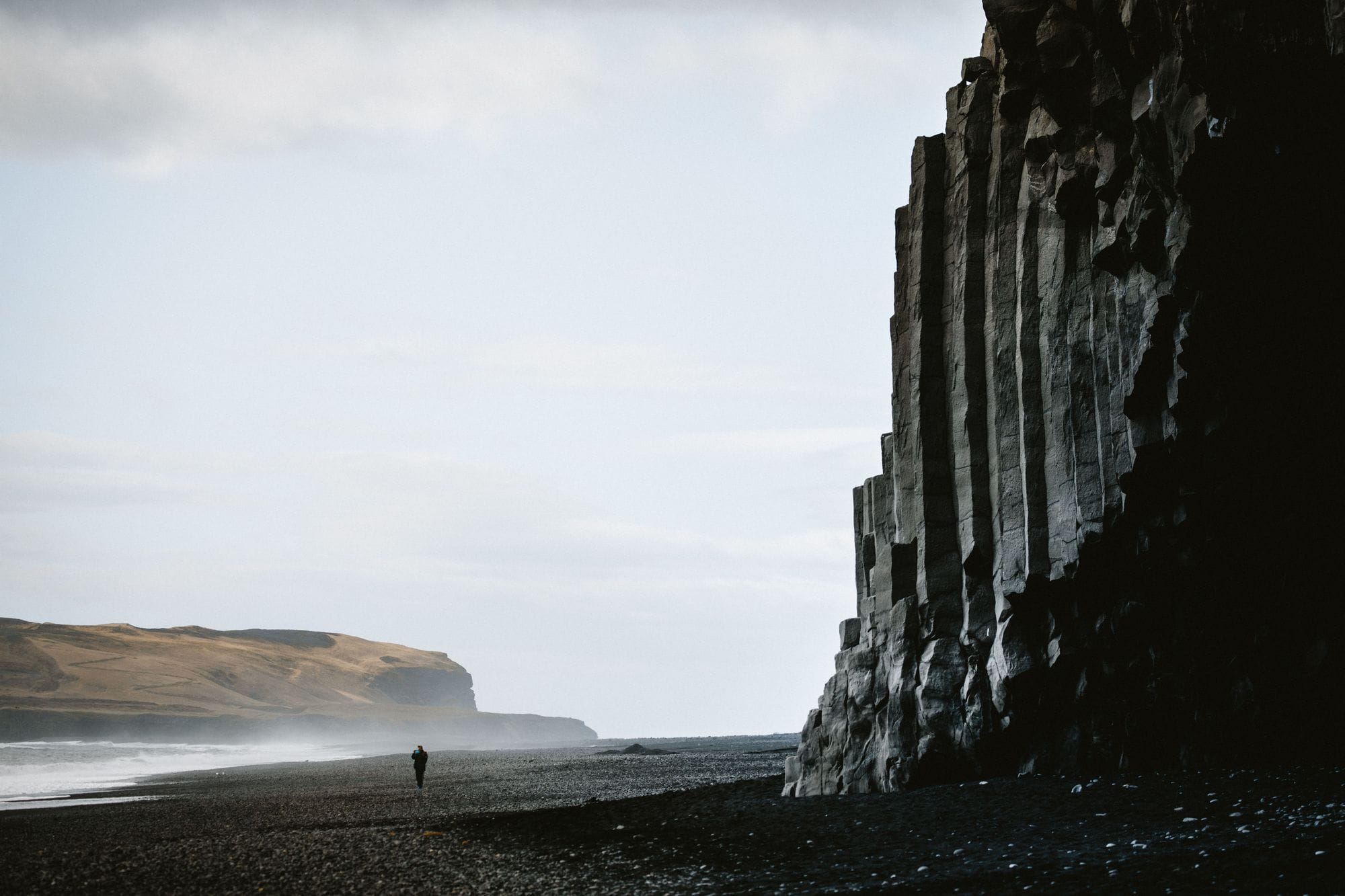
Reynisfjara has always been dramatic and striking.
Its black sand, basalt columns, and Atlantic waves create an almost unreal atmosphere.
Yet recently, a noticeable shift has occurred.
Beach sections have eroded, sand has shifted, and parts of the slope under Reynisfjall have given way. The shoreline has noticeably changed from what visitors recall.
Reynisfjara is no longer the same beach it was—and understanding why helps explain both its beauty and its danger.
Let’s look closer at the most visible changes at Reynisfjara.
This winter brought visible and significant coastal erosion.
Observers have noted:
- A reduction in sand levels in some areas
- Collapse of parts of the upper beach slope
- Narrower sections of walkable shoreline
- Waves are reaching closer to the cliffs than before
For those familiar with Reynisfjara, the beach feels tighter and more exposed than before.
To understand these new risks, we need to know what’s driving the change.
Reynisfjara is an exposed Atlantic coastline. It responds directly to wind direction and wave energy.
Recent weather patterns included sustained easterly winds combined with high wave activity. When wind direction shifts for long periods, it changes how sand moves along the South Coast.
Beaches are not fixed landscapes. Sand is constantly being transported. When the sand that normally cushions a section of shoreline is carried away, erosion accelerates.
Without that buffer:
- Waves strike the base of slopes more directly.
- Sandbanks thin or disappear
- Collapse becomes more likely.
The present conditions at Reynisfjara clearly show this ongoing process.
This Is Not the First Time — But It Is Noticeable
Coastal erosion happens naturally, and Reynisfjara has always changed.
What makes the current situation stand out is the speed and visibility of the changes. When erosion happens gradually, few people notice. When it happens over weeks, it feels dramatic.
Reynisfjara is a dynamic coastline, always adjusting to natural forces.
What the Changes Mean for Safety
Reynisfjara has a tragic safety record. Several fatalities over the years have been linked to powerful waves and strong undertow.
Recent erosion may increase risk in certain areas because:
- The beach is narrower in places.
- Waves can reach farther inland.
- Steeper slopes make retreat harder.
- The safe standing zone has shifted.
The ocean has not become more dangerous. But the margin for error may be smaller when the beach's physical shape changes.
This is why warnings, safety lights, and restricted areas must be taken seriously.
Beauty and Risk Exist Together
The same forces shape both Reynisfjara’s beauty and unpredictability.
The basalt columns formed from volcanic cooling.
The black sand formed from volcanic rock meeting ocean water.
The waves that shape the beach are the same waves that create its drama.
These recent changes do not mean something is wrong. They remind us that this coastline is always active.
Visiting Reynisfjara Now
If you are planning to visit:
- Stay well back from the waterline.
- Never turn your back on the ocean.
- Respect posted safety systems.
- Assume the beach may look different from older photos.
Conditions can change quickly — especially in winter.
Quick Answers
Why did Reynisfjara erode recently?
Sustained wind patterns and strong wave activity shifted sand, exposing parts of the shoreline to faster erosion.
Is Reynisfjara still safe to visit?
Yes, if safety warnings are respected and the distance from the ocean is maintained.
Has Reynisfjara permanently changed?
It has changed for now. Whether sand returns depends on future weather and ocean patterns.
In Short
Reynisfjara has always been powerful.
This winter simply made that power visible.
The beach you see today is the result of wind, waves, and time.
And it will continue to evolve.
Thank you for reading this page. We hope it was informative, If not please let us know through [email protected]
Everyday Icelandic Food (Not the Tourist Version)
February 2026
Do You Need a 4x4 in Iceland? When, Where, and Why
February 2026
What Locals Do Differently in Winter in Iceland
February 2026
Öskudagur in Iceland: From Ashes to Costumes
February 2026
Water in Iceland: Why It’s Among the Cleanest in the World
February 2026
Why You Should Never Walk on Moss in Iceland
February 2026