Öskudagur in Iceland: From Ashes to Costumes
Ash Wednesday marks the start of Lent in much of the Christian world—a season devoted to reflection that culminates in Easter. In Iceland, though, this day is called Öskudagur, which translates as “Ash Day.”
Though its name recalls religious roots, today’s celebration pulses with distinctly Icelandic flair. To understand how this transformation occurred, it's helpful to look at the evolution of its practices.
The Religious Origins
Öskudagur derives its meaning from the Christian tradition of marking the beginning of Lent with ashes. Historically, the custom involved placing ashes upon people’s foreheads to remind them of mortality and humility. The symbolism was clear: life is fleeting, and Lent invites a period of introspection and spiritual readiness.
The name appears in Icelandic sources from centuries ago, indicating that the observance was once part of the country's religious calendar. After the Reformation, however, many Catholic practices changed or faded. The religious meaning of Ash Wednesday became less central in everyday Icelandic life.
But the name remained.
The Ash Bags
One of the older Icelandic customs connected to the day involved small ash-filled bags.
Children would quietly attach these little bags to the backs of unsuspecting adults. Eventually, the bag would fall or break, leaving ash on the person’s clothing. It was meant as a prank — light-hearted rather than harmful.
This tradition likely grew from the symbolism of ashes themselves. Instead of solemn reflection, the ash became part of playful mischief.
Over time, the ash bags disappeared, but the day's playful spirit persisted.
The Shift Toward Costumes
By the 20th century, the tradition had transformed again.
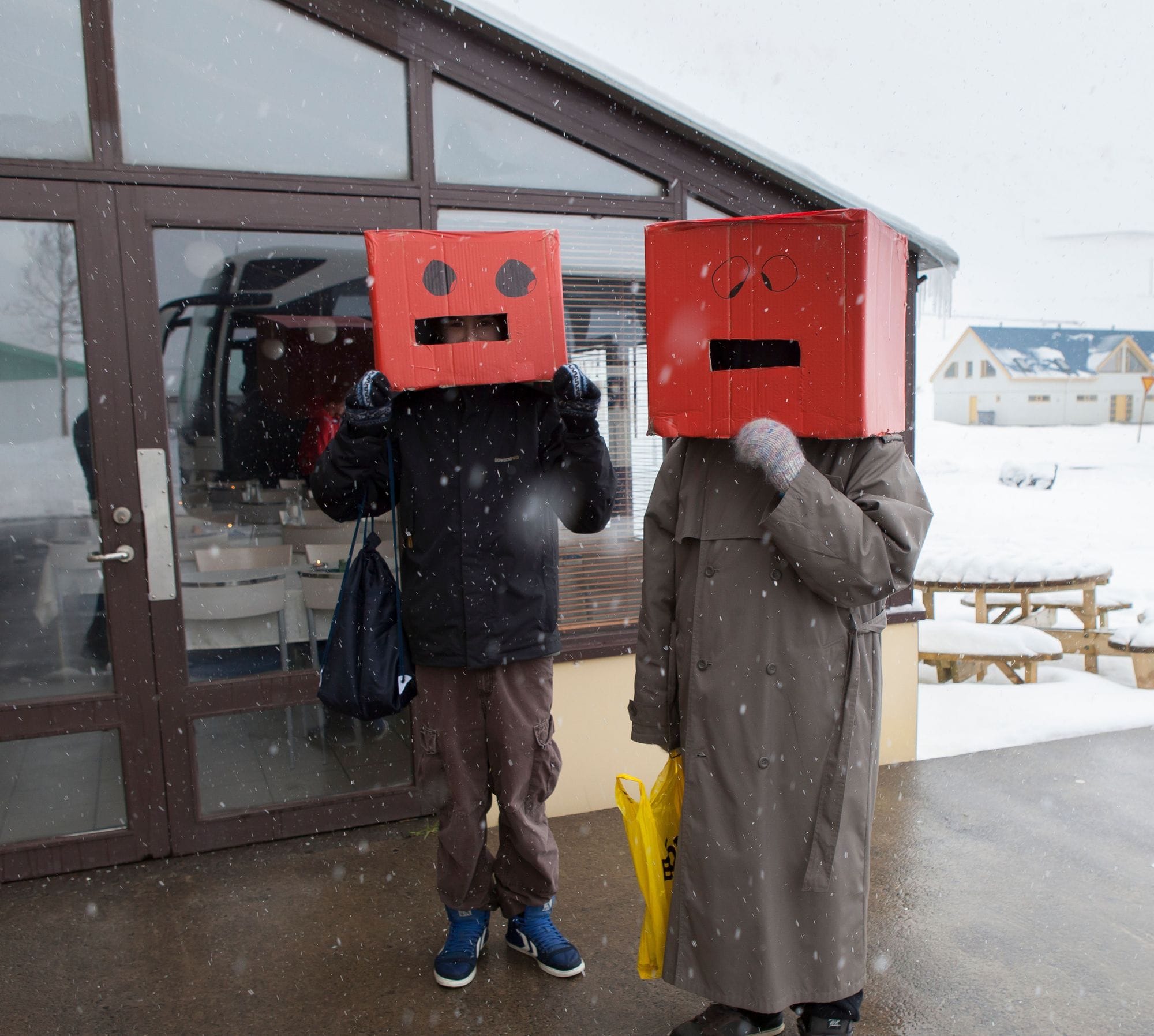
Costumes replaced the old ash pranks. Now, children transform into pirates, princesses, animals, and fantastical figures—creativity and togetherness shine, eclipsing solemnity.
Costumes are not limited to any theme. Children dress as:
- fictional characters
- animals
- musicians
- historical figures
- anything they choose
The town buzzes with bright colors and joy—no tricks or chills, just the warmth of shared fun.
Singing for Candy
Today, the most recognizable part of Öskudagur is children visiting shops and businesses to sing short songs in exchange for candy.
Unlike Halloween, children do not typically go door-to-door at private homes. Instead, they visit local businesses during the day. Shopkeepers prepare small treats and expect groups of singers.
The performance is brief — often just one verse — and then the children move on to the next stop.
It is organized, friendly, and community-based.
A Winter Tradition with Its Own Identity
The end of winter in Iceland brings limited daylight, so Öskudagur’s celebrations fill the streets with bright costumes and lively movement. Children parade through town, transforming an otherwise gray season with bursts of color.
It is not a public holiday, and everyday life continues. Schools and offices remain open. But for a few hours, the mood shifts.
Why the Tradition Matters
Öskudagur illustrates the evolution of tradition. Originally a religious observance centered on ashes, the day gradually shifted to playful ash bag customs; eventually, it became the costume-and-song celebration enjoyed today.
The day keeps its historical name, but its meaning has adapted to Icelandic culture.
Frequently Asked Questions
What does Öskudagur mean?
It means “Ash Day,” referring to the Christian observance of Ash Wednesday.
What were ash bags?
They were small bags filled with ash that children attached to people’s backs as a prank.
Is Öskudagur religious today?
For most people, it is primarily a cultural and child-focused tradition.
Is it the same as Halloween?
No. While both involve costumes and candy, Öskudagur is tied to the Christian calendar and focuses on singing rather than trick-or-treating.
In Short
Öskudagur began as a solemn religious observance.
It passed through a mischievous phase of ash-filled pranks.
Today, it is a colorful, child-centered celebration.
The ashes remain in the name.
The tradition, however, has taken on a life of its own.
Thank you for reading this page. We hope it was informative, If not please let us know through [email protected]

Everyday Icelandic Food (Not the Tourist Version)
February 2026

Do You Need a 4x4 in Iceland? When, Where, and Why
February 2026

What Locals Do Differently in Winter in Iceland
February 2026
Reynisfjara After the Erosion: What Has Changed and Why It Matters
February 2026

Water in Iceland: Why It’s Among the Cleanest in the World
February 2026

Why You Should Never Walk on Moss in Iceland
February 2026