What Locals Do Differently in Winter in Iceland
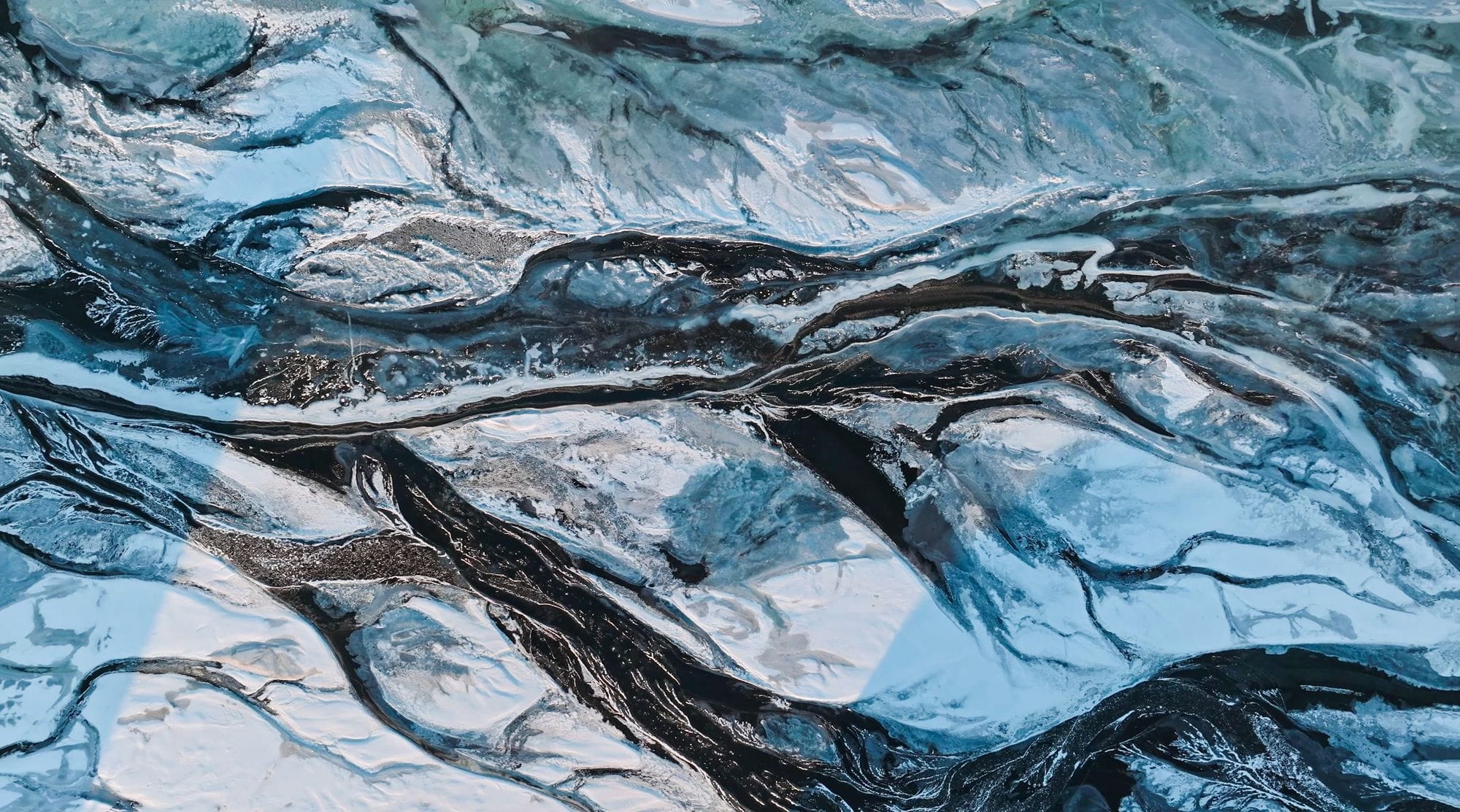
Winter in Iceland means adaptation, not just cold.
From shorter days to stronger winds, winter changes daily life. Visitors often focus on snow and northern lights. Locals focus on rhythm, preparation, and small habits that make the season manageable.
Here’s how people living here approach winter differently—and what travelers can take away from their habits.
1. They Check the Forecast — Every Day
Iceland’s winter weather can shift in an instant.
Locals routinely check:
- weather forecasts
- wind speeds
- road conditions
Locals don’t just check once before a trip; it’s a daily ritual. If a storm appears, plans change without complaint. Flexibility isn’t questioned—it’s assumed.
2. They Dress in Layers, Not in “Winter Outfits.”
Rather than relying on a single, heavy coat to tackle everything, locals choose a layered approach.
Locals rely on:
- base layers (often wool)
- insulating mid-layers
- windproof and waterproof outer layers
- proper boots with grip
Adaptability is essential; locals add or remove layers as wind or activity levels change.
3. They Respect the Wind
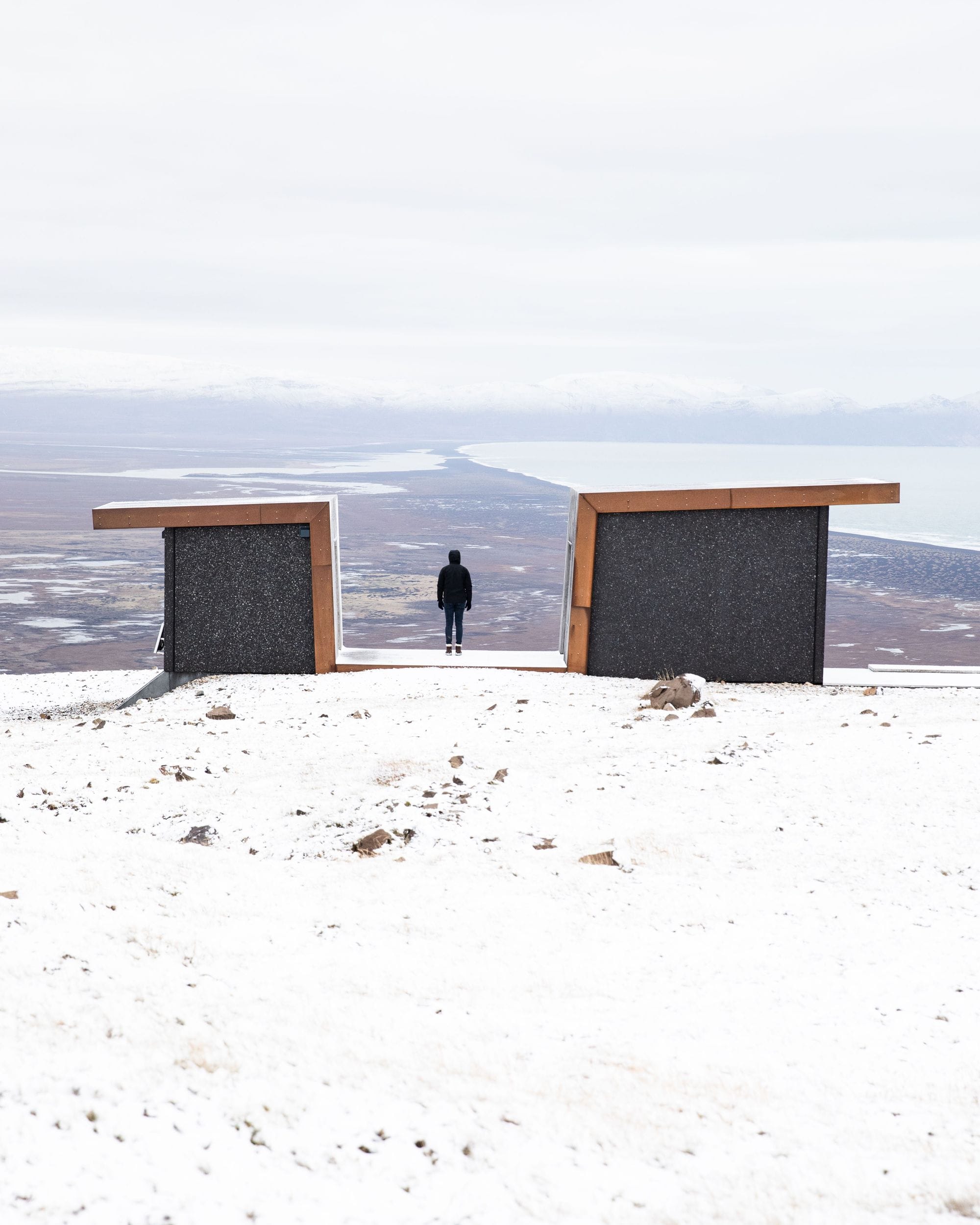
The wind isn’t underestimated—locals treat it with caution.
Locals open car doors carefully, park strategically, and plan based on wind as much as temperature.
If conditions are harsh, activities are often postponed. You don’t fight winter; you cooperate with it.
4. They Keep Life Moving
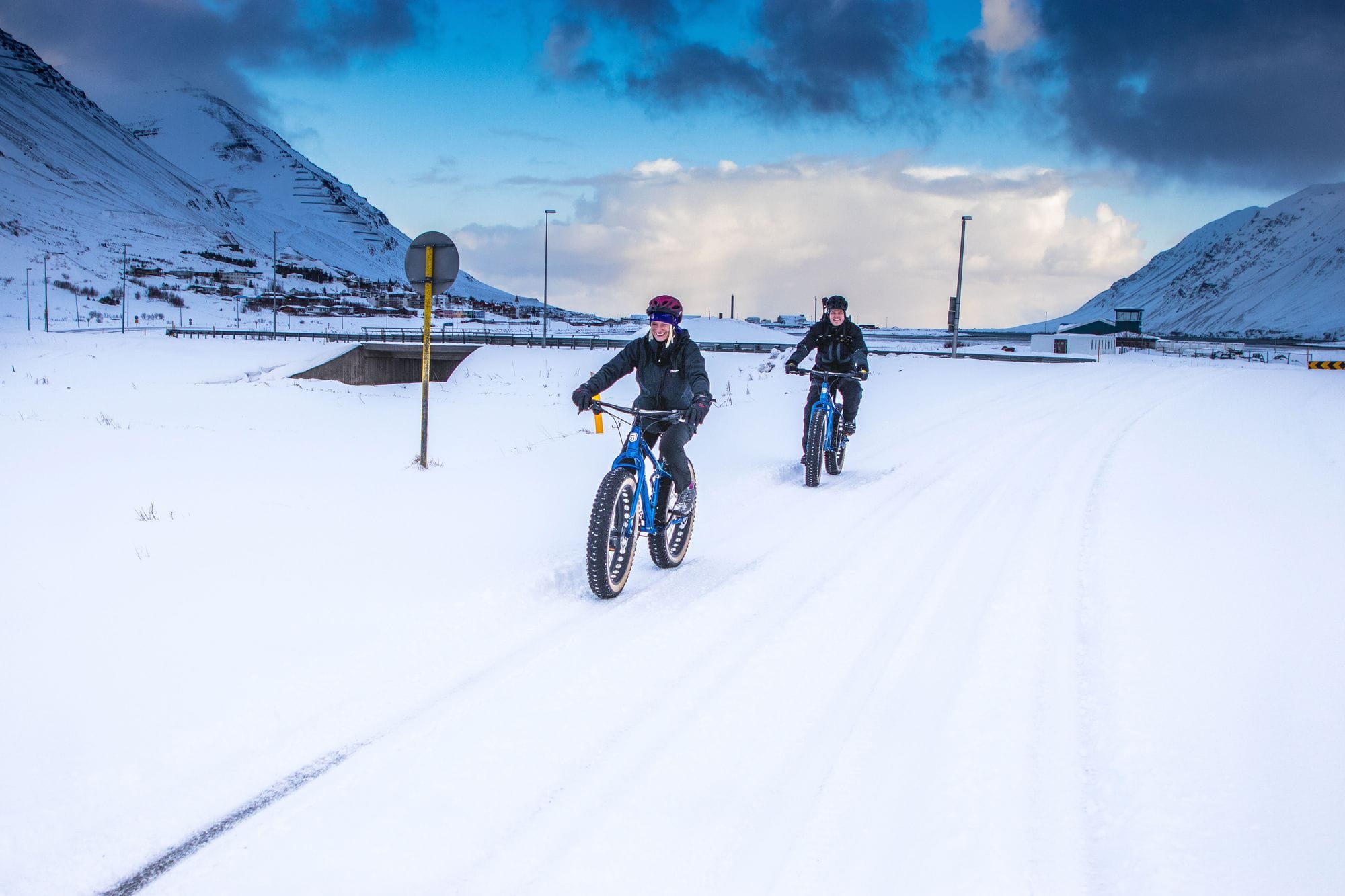
Schools stay open. Offices function. Grocery shopping happens in the snow.
Winter doesn’t stop daily life. Routines adjust. Roads clear quickly. Communities function throughout the dark.
5. They Use Light Intentionally
With midwinter’s limited daylight, light takes on fresh importance. instead of overhead lighting
- candles
- soft lighting in windows
It’s not decorative. It’s practical. Warm light isn’t just decorative; it's practical, offsetting long hours of darkness. und
Outdoor swimming pools remain open through winter.
Locals visit pools even in the snow. The contrast of cold air and hot water defines the experience. Pools remain social hubs year-round.
6. They Drive Differently
Winter driving habits include:
- slower speeds
- A greater following distance
- awareness of black ice
- planning fuel stops earlier
Studded tires are common in winter. Caution is built into routine behavior.
7. They Embrace Indoor Time
Winter naturally shifts life indoors. Winter shifts much of local life indoors, naturally changing rhythms and routines.
- spend evenings at home
There’s less pressure for constant outdoor activity. Winter is a season for rest.
8. They Adjust Expectations
Locals do not expect perfect weather or full visibility.
Mountains fade into fog—it’s accepted. No northern lights? That’s normal. Locals approach winter with realism.
9. They Understand That Winter Is Temporary
Perhaps most importantly, locals know the light will return.
Winter is a cycle. December brings darkness, January, quiet; February, gradual light. Patience, not panic, prevails.
What Travelers Can Learn
Visitors often try to “fit everything in” regardless of the weather. Locals prioritize:
- flexibility
- preparation
- patience
- safety over schedule
Winter in Iceland promises rewards, but you reap them most when you match the local mindset.
How do locals handle winter in Iceland?
They adjust routines, dress in layers, monitor the weather closely, and remain flexible.
Do Icelanders stay inside all winter?
No. They continue daily life, use swimming pools, and go outside — but with preparation.
Is winter driving normal in Iceland?
Yes, but it requires caution, proper tires, and checking road conditions.
Do people get used to the darkness?
Yes. Lighting, routine, and seasonal awareness help manage shorter days.
In Short
Winter in Iceland is not about enduring. It is about adapting calmly—not braving extremes—defines winter in Iceland. They work with it.
By meeting the season with adaptability and acceptance, locals reveal that the Icelandic winter is not to be feared. It’s to be experienced, one mindful choice at a time.
Thank you for reading this page. We hope it was informative, If not please let us know through [email protected]
Everyday Icelandic Food (Not the Tourist Version)
February 2026
Do You Need a 4x4 in Iceland? When, Where, and Why
February 2026
Reynisfjara After the Erosion: What Has Changed and Why It Matters
February 2026
Öskudagur in Iceland: From Ashes to Costumes
February 2026

Water in Iceland: Why It’s Among the Cleanest in the World
February 2026
Why You Should Never Walk on Moss in Iceland
February 2026