Borgarnes
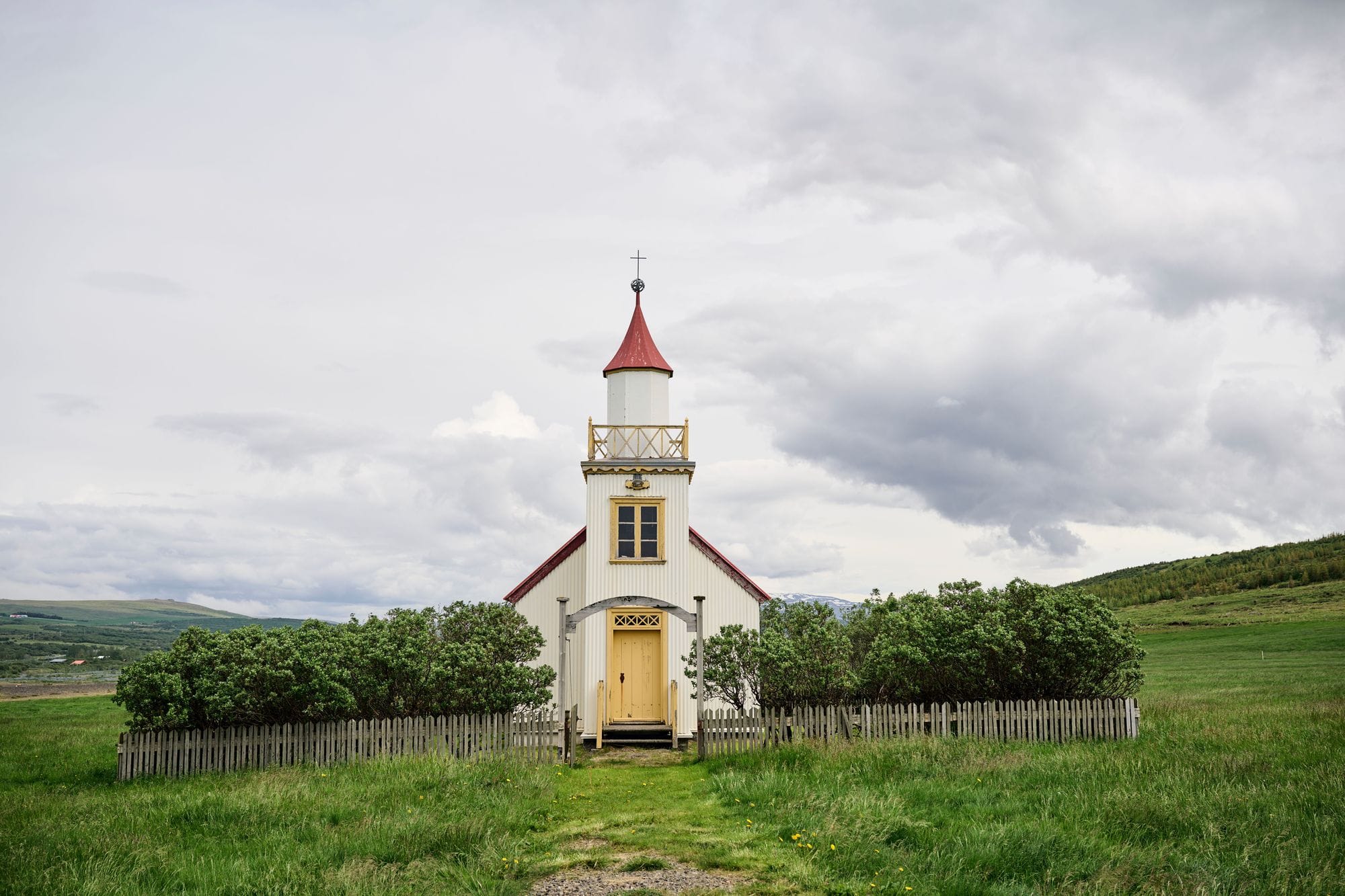
At first glance, Borgarnes might look like just another small town in West Iceland. A convenient place to stop, refuel, and grab a cup of coffee on the way to adventure.
But if you stay a little longer, you’ll discover a town with deep roots, peaceful beauty, and a strong connection to some of Iceland’s oldest stories.
Where past and present meet
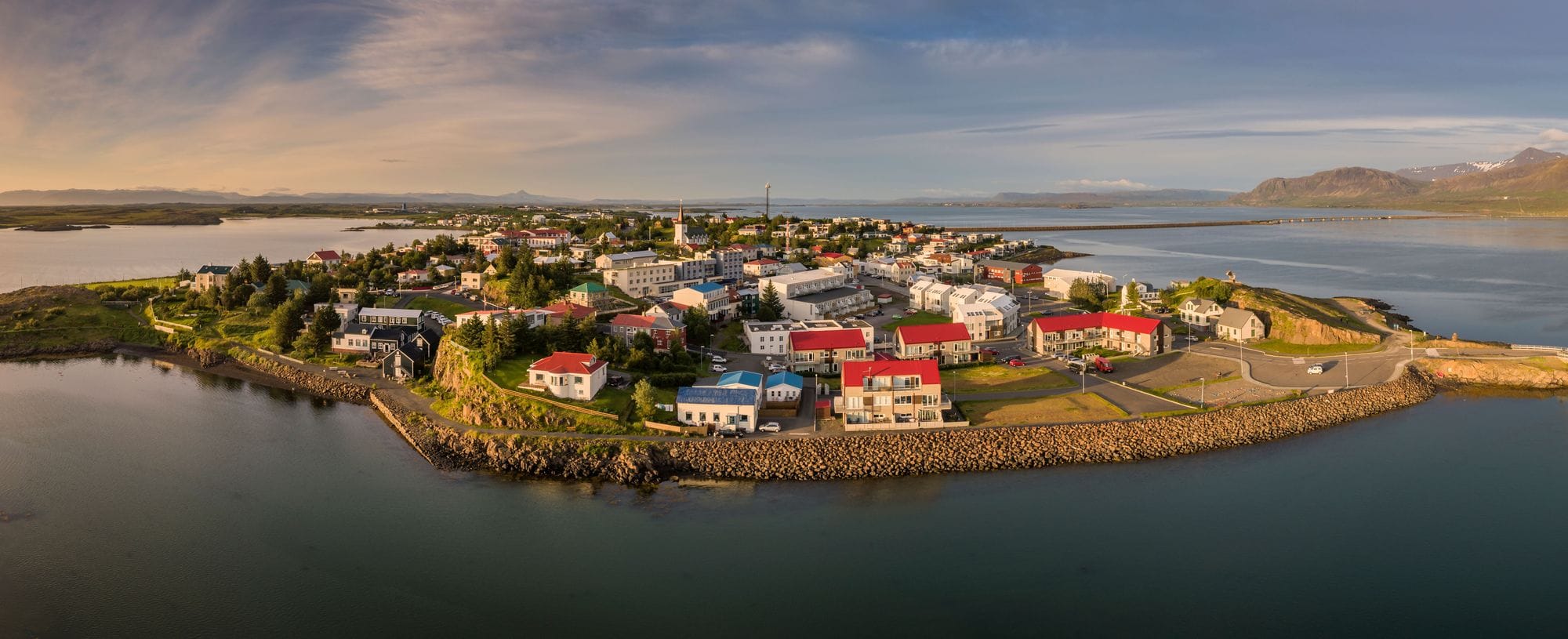
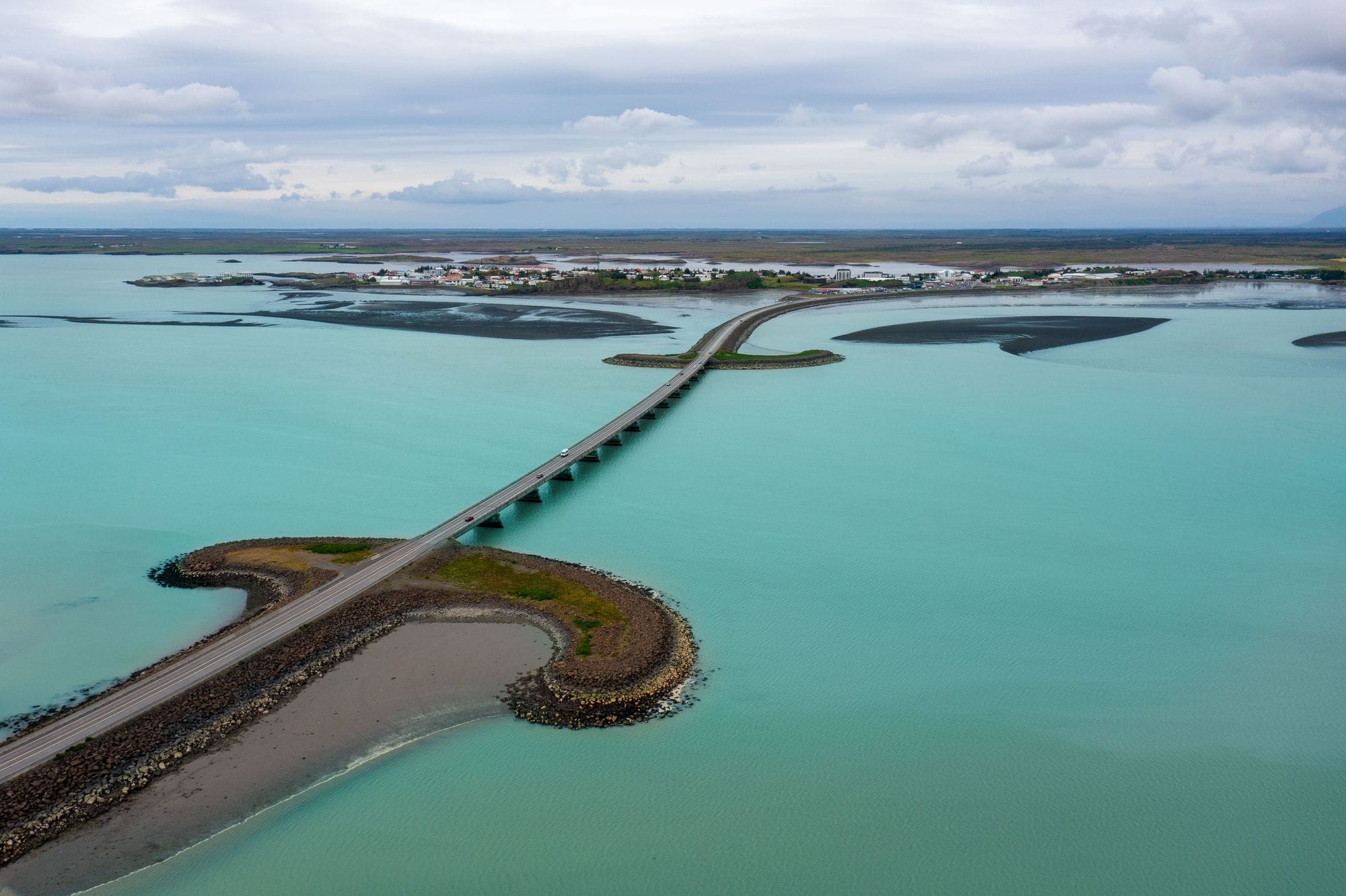
The town sits on a small peninsula that stretches into Borgarfjörður, and people have lived here for more than a thousand years. History isn’t confined to a museum here—it’s woven into the land, the sea, and everyday life.
One of the best places to start is the Settlement Center (Landnámssetrið), a captivating museum that brings the stories of Iceland’s first settlers to life. Here, you can step into the world of Egill Skallagrímsson, one of the most famous figures of the Icelandic sagas—a warrior, poet, and farmer whose presence still echoes through the surrounding landscape.
As you wander through town, you’ll find quiet streets lined with colorful houses, cozy cafés, and sweeping views of the sea with mountains rising in the distance. Borgarnes is welcoming and refreshingly unpretentious.
Experiences in Borgarnes
Walk along the shoreline
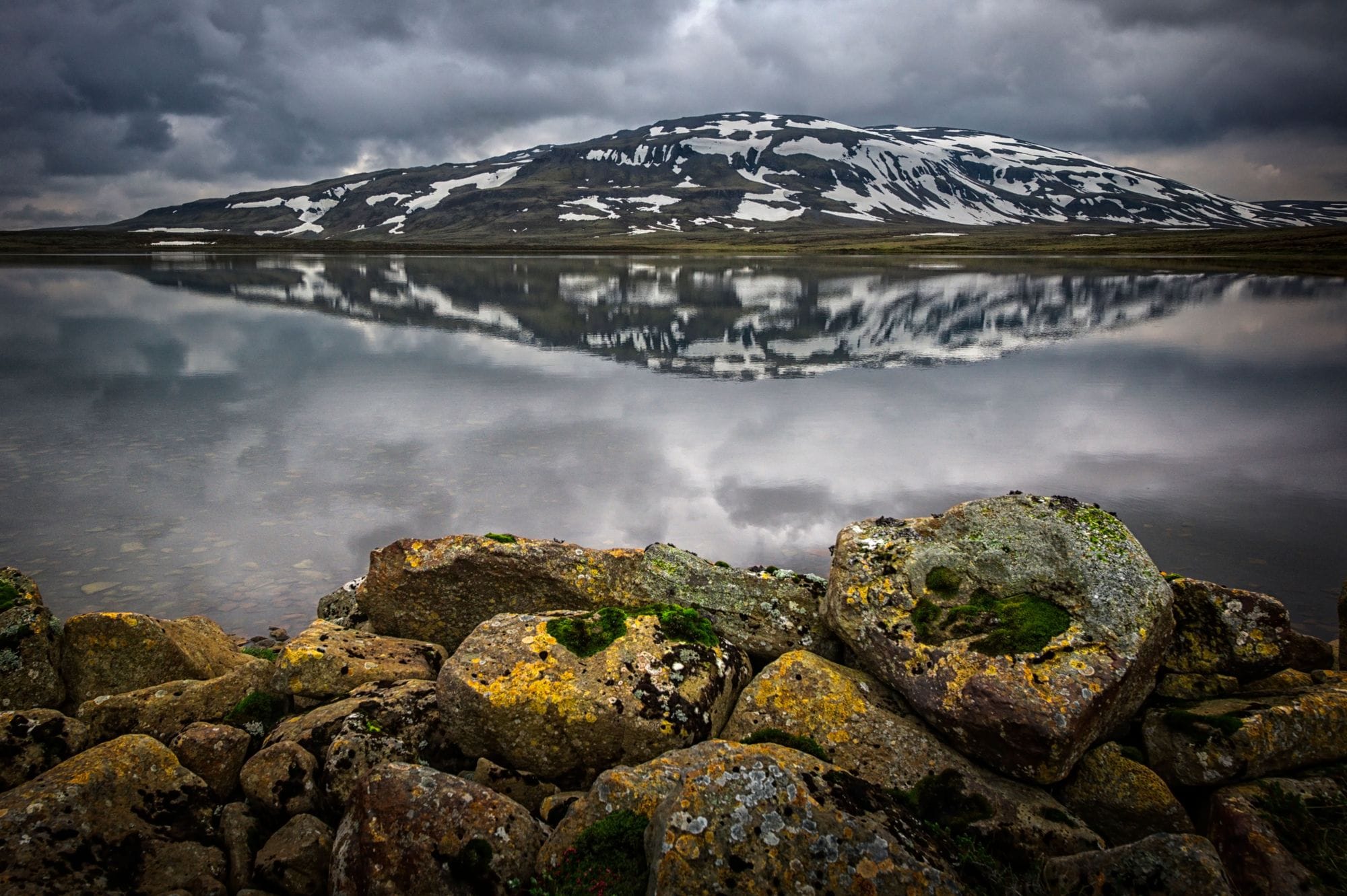
Stroll along the paths that encircle the town. The scent of the sea fills the air, and the light over the fjord is constantly changing. On calm days, the water becomes glassy, reflecting the sky and mountains so perfectly it feels almost dreamlike.
Borgarnes Swimming Pool
Like any proper Icelandic town, Borgarnes has a swimming pool. Warm hot tubs with views over the fjord, a heated outdoor pool, and a friendly, relaxed atmosphere make it a favorite gathering place.
Bakeries and cafés
There are plenty of spots in Borgarnes to warm up with a cup of coffee or enjoy a slice of cake. There’s no rush here—just find a seat by the window and take your time.
Toward adventure
Borgarnes is an ideal base for exploring some of West Iceland’s natural highlights:
- Lava fields and waterfalls in Borgarfjörður
- The powerful Deildartunguhver hot spring
- The mysterious Hraunfossar and Barnafoss waterfalls
- And for the more adventurous, Langjökull glacier is close by
The quiet beauty of Borgarnes
At Key to Iceland, we believe that not all journeys need stars.
Sometimes it’s the quiet, unexpected moments that stay with you the longest.
Borgarnes is one of those places.
It’s where you pause between destinations. Where you remember that travel isn’t always about chasing highlights—sometimes it’s about finding stillness, even if only for a moment.
So next time you’re heading west, don’t just drive through.
Stop in Borgarnes.
Let the town tell its stories in its own way.
Borgarnes – Frequently Asked Questions
Why is Borgarnes worth stopping for?
Borgarnes offers something many Icelandic towns don’t: space to slow down. With its deep roots in Viking history, strong saga connections, and peaceful coastal setting, it feels lived-in rather than staged. It’s a place where history, nature, and everyday Icelandic life quietly coexist.
Is Borgarnes a good stop on a self-drive itinerary?
Absolutely. Located directly on Route 1, Borgarnes is a natural pause point between Reykjavík and West Iceland, including the Snæfellsnes Peninsula. It’s ideal for refueling, enjoying a relaxed meal, stretching your legs by the sea, or adding a cultural stop to your journey.
What historical sites can you visit in Borgarnes?
The heart of Borgarnes’ history is the Settlement Center (Landnámssetrið), where Iceland’s early settlers and saga heroes come vividly to life. The town is closely linked to Egill Skallagrímsson, and his story is woven into both the landscape and local identity.
Are there geothermal pools or hot springs in Borgarnes?
While Borgarnes doesn’t have a natural hot spring, it does have a classic Icelandic swimming pool powered by geothermal energy. Visitors can enjoy hot tubs with fjord views, a steam bath, and family-friendly facilities—perfect after a day of exploring.
Is Borgarnes suitable for families?
Yes, Borgarnes is very family-friendly. Children often enjoy the interactive exhibits at the Settlement Center, the local swimming pool, and the easy walking paths around town. Nearby nature areas, including Hafnarfjall and the coastline, offer simple outdoor adventures suitable for all ages.
What kind of food can you find in Borgarnes?
Dining in Borgarnes is relaxed and unpretentious. You’ll find cozy cafés, bakeries, and locally run restaurants serving Icelandic classics like lamb and seafood alongside international comfort food. It’s the kind of place where meals are enjoyed without hurry.
Does Borgarnes really smell like waffles?
It just might. Thanks to local bakeries and cafés baking fresh waffles—often in the mornings—many visitors notice a warm, sweet scent drifting through town. Mixed with crisp sea air, it’s become a small but memorable part of Borgarnes’ charm.
What makes Borgarnes important geographically?
Borgarnes functions as a key gateway to West and North Iceland. From here, travelers branch out toward Borgarfjörður, Snæfellsnes, and beyond. Its strategic location has made it an essential hub for both locals and travelers for generations.
Are there festivals or events in Borgarnes?
Throughout the year, Borgarnes hosts local events that reflect Icelandic culture and community life. These often include summer celebrations by the sea and smaller winter gatherings that bring light and warmth to the darker months. Events vary annually, so it’s worth checking locally when visiting.
What is the weather like in Borgarnes?
Borgarnes has a subarctic coastal climate. Summers are cool and bright, while winters are cold and often dramatic. Weather can change quickly, so layering and flexibility are key—no matter the season.
When is the best time to visit Borgarnes?
That depends on how you like to travel:
- Summer (June–August)
Ideal for road trips, long daylight hours, and hiking in the surrounding areas. Everything is accessible, and the pace of life feels open and easy. - Winter (November–March)
A quieter, atmospheric time with snow-covered landscapes and opportunities to see the northern lights. Expect limited daylight and occasional weather-related travel adjustments. - Spring & Autumn (April–May, September–October)
These shoulder seasons offer fewer visitors, softer light, and better value. September is especially popular for those hoping to combine autumn colors with northern lights.
Thank you for reading this page. We hope it was informative, If not please let us know through [email protected]
Everyday Icelandic Food (Not the Tourist Version)
February 2026
Do You Need a 4x4 in Iceland? When, Where, and Why
February 2026
What Locals Do Differently in Winter in Iceland
February 2026
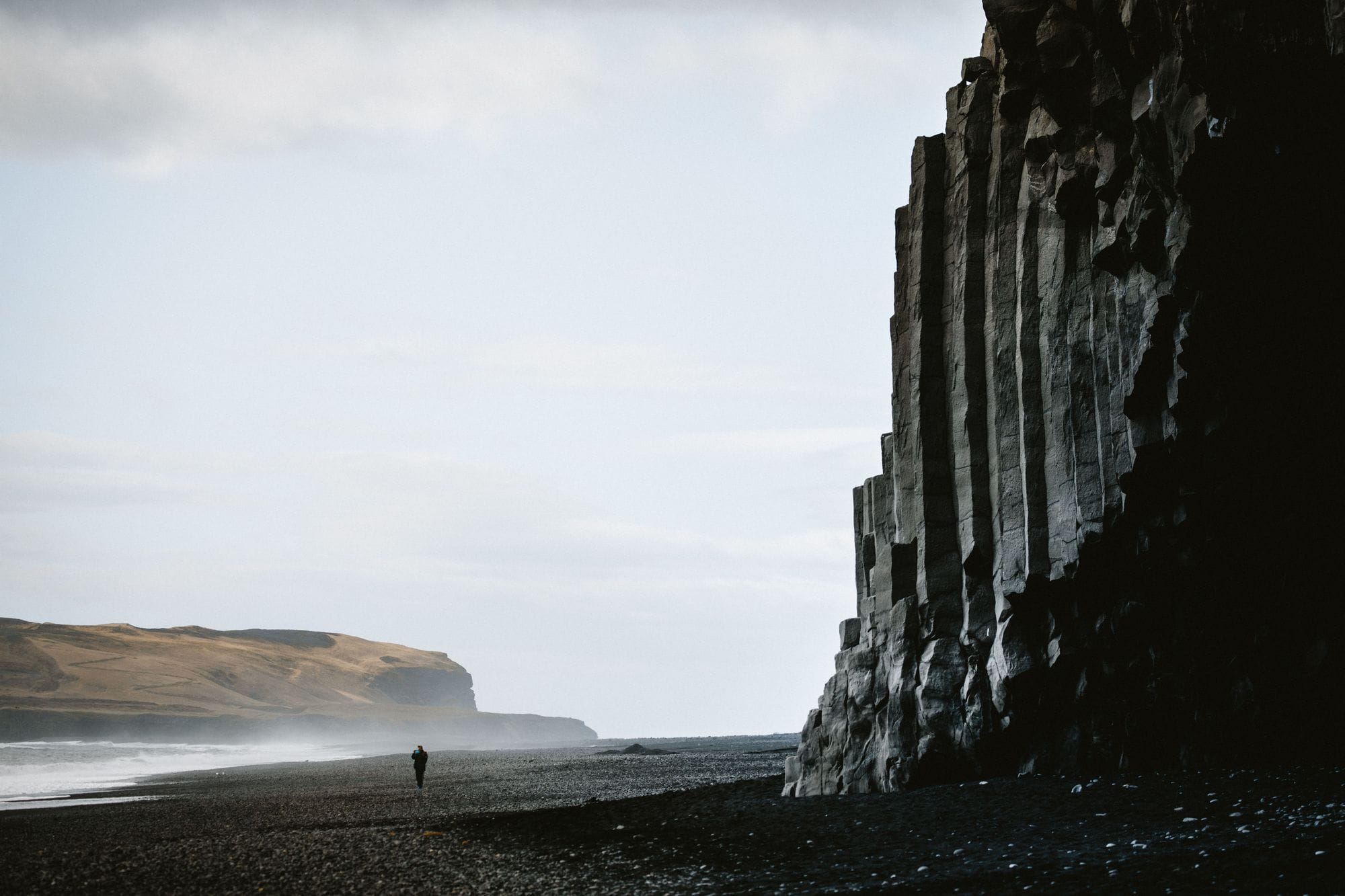
Reynisfjara After the Erosion: What Has Changed and Why It Matters
February 2026
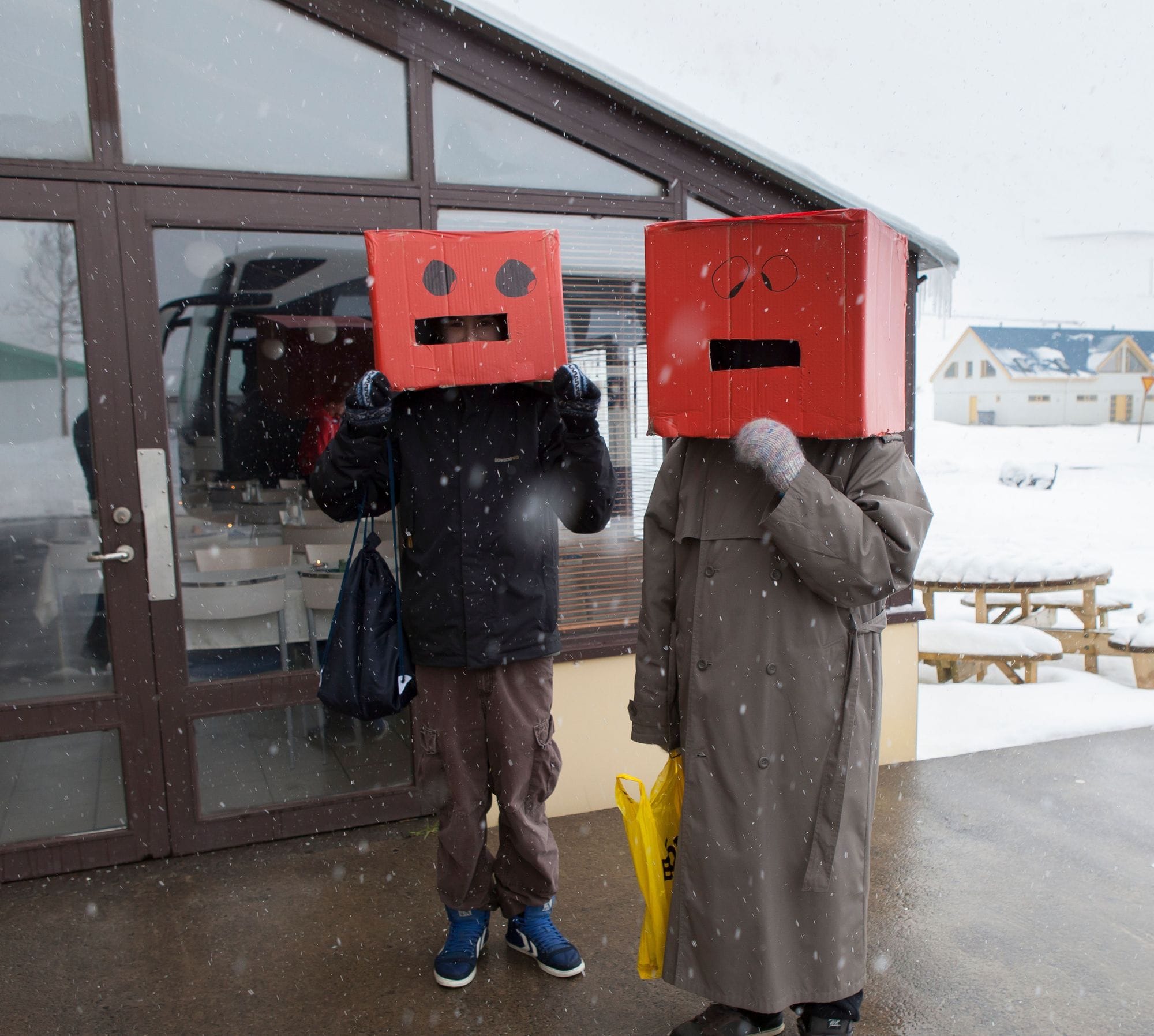
Öskudagur in Iceland: From Ashes to Costumes
February 2026
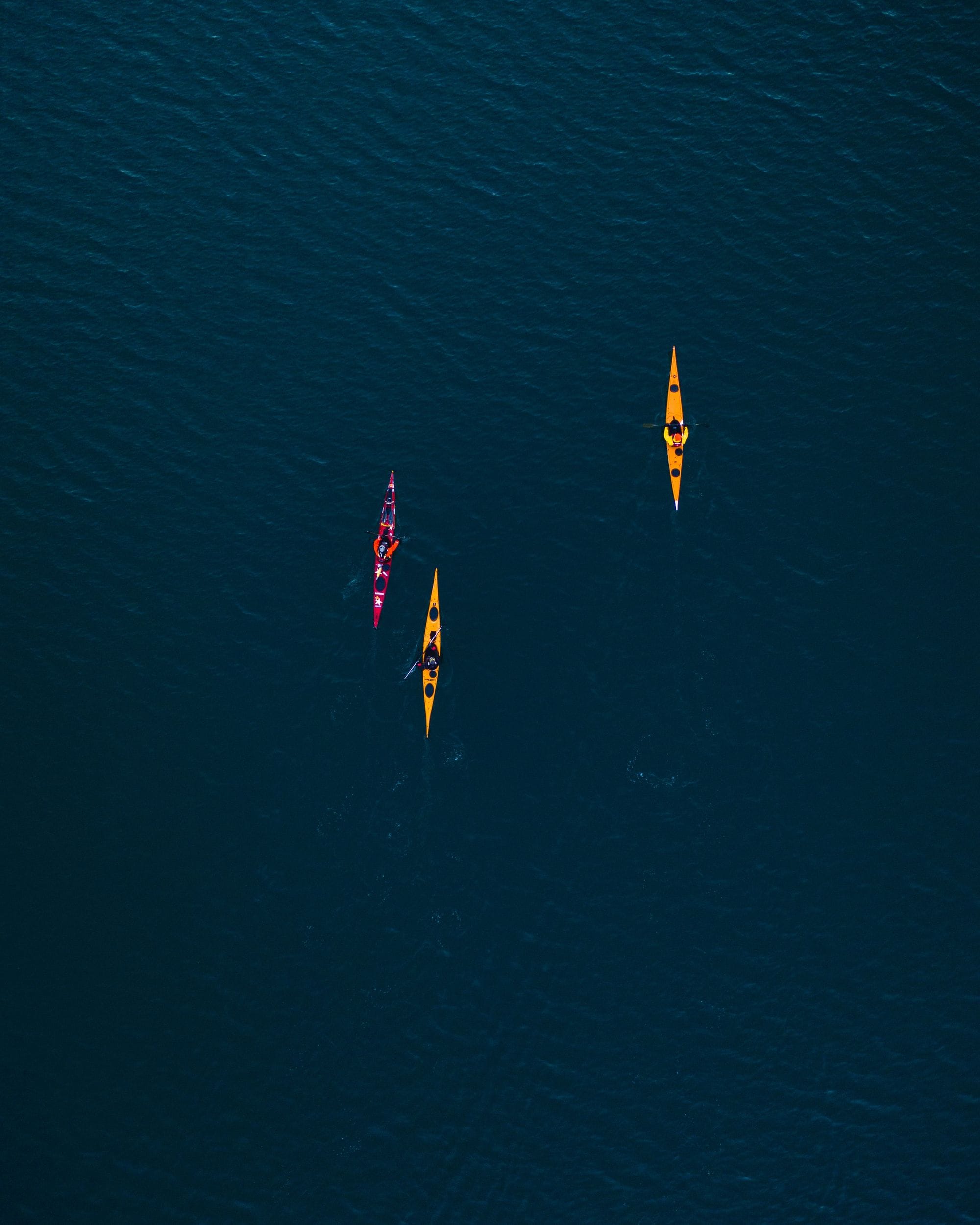
Water in Iceland: Why It’s Among the Cleanest in the World
February 2026